Where Craft Meets Legacy: Inside The World Of Historic Roof Restoration
Why Historic Roofs Deserve a Different Approach
There is something unmistakable about a historic building. The details, the materials, the way everything comes together tells a story that has been shaped over decades, sometimes centuries. The roof, often overlooked from a distance, plays a major role in that story. It protects the structure, defines its silhouette, and reflects the craftsmanship of the time in which it was built.
Replacing or restoring that roof is not the same as working on a modern home. It requires a careful balance between preservation and performance. You are not just installing new materials, you are working with history, which brings a level of responsibility that goes beyond standard construction.
For property owners and preservation groups, the goal is rarely just functionality. It is about maintaining authenticity while ensuring the building can withstand modern environmental demands. This is where specialized contractors step in, bringing both technical skill and respect for historical integrity.
Understanding the Risks of Standard Roofing Methods
Using conventional roofing methods on historic structures can lead to unintended consequences. Modern materials may not interact well with older building systems, causing issues with ventilation, weight distribution, or moisture retention. Over time, these mismatches can damage the structure rather than protect it.
There is also the visual impact to consider. A roof that does not match the original style can alter the entire character of a building. Even small details, such as the shape of tiles or the finish of metalwork, can make a noticeable difference.
What Sets Historic Roof Specialists Apart
Historic roof specialists operate at the intersection of craftsmanship and research. Before any work begins, they often spend time studying the building’s history, original materials, and architectural style. This process helps ensure that any restoration work aligns with the building’s original design.
These professionals are also trained to work with materials that are not commonly used in modern construction. Slate, clay tile, wood shingles, and ornamental metals each require specific techniques. Handling these materials correctly is essential for both durability and authenticity.
Experience plays a major role in this field. Contractors who have spent years working on historic structures develop an eye for detail that cannot be easily taught. They learn to recognize patterns, identify original features, and make informed decisions about what can be preserved and what needs to be replaced.
Blending Traditional Craft With Modern Techniques
One of the most interesting aspects of this work is how it combines old and new methods. Traditional craftsmanship ensures that the roof looks and feels authentic, while modern techniques help improve performance and longevity.
For example, hidden waterproofing systems or improved underlayment materials can be used without altering the visible appearance. This allows the structure to benefit from modern advancements while maintaining its historical character.
Materials That Define Historic Roofs
Historic roofs are known for their distinctive materials, many of which are still valued today for their durability and beauty. Slate is one of the most recognizable options, offering a natural look and a lifespan that can extend well beyond a century when properly maintained.
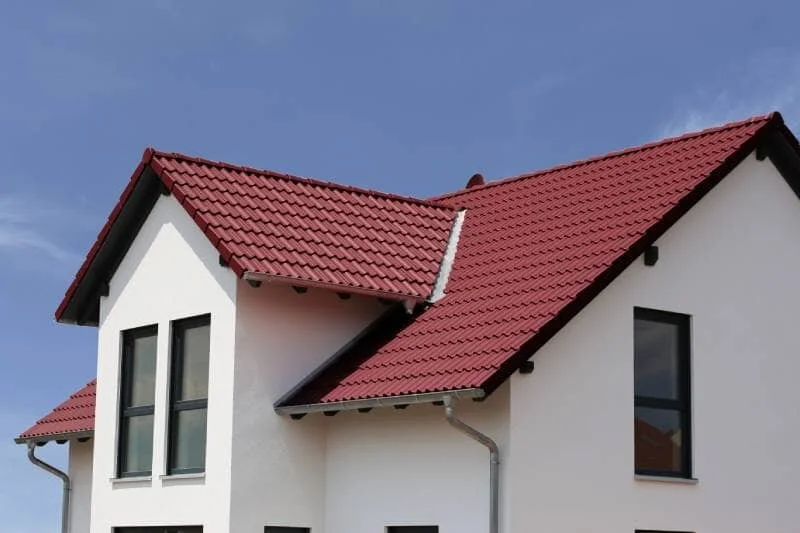
Clay tiles are another common feature, often seen in buildings with Mediterranean or colonial influences. These tiles provide both aesthetic appeal and practical benefits, such as resistance to heat and weathering. Wood shingles, while less common today, add a warm and textured appearance that is difficult to replicate.
Metal elements, including copper and other ornamental details, often play a supporting role. These components are not just functional, they also contribute to the overall design. Preserving or recreating these features requires a high level of skill.
Sourcing and Matching Original Materials
One of the challenges in historic roof replacement is finding materials that match the original as closely as possible. In some cases, this means sourcing reclaimed materials from other sites. In others, it involves custom fabrication to replicate the original design.
This process takes time and attention to detail. Even slight variations in color, size, or texture can stand out once the project is complete. Skilled contractors know how to navigate these challenges and achieve a result that feels cohesive.
The Process Behind a Historic Roof Replacement
A historic roof replacement project typically begins with a thorough assessment. Contractors examine the existing structure, identify areas of damage, and determine which elements can be preserved. This stage is critical for developing a clear plan.
Once the assessment is complete, the project moves into the planning phase. This includes selecting materials, coordinating with preservation guidelines, and preparing the site. Careful planning helps minimize disruptions and ensures that the work proceeds smoothly.
The actual replacement process requires precision and patience. Each component is installed with attention to detail, often by hand. This level of care helps maintain the integrity of the building and ensures that the finished roof aligns with its original design.
Working Within Preservation Guidelines
Many historic properties are subject to preservation guidelines that dictate how restoration work should be carried out. These guidelines are designed to protect the building’s historical significance and ensure that any changes are appropriate.
Contractors must be familiar with these requirements and incorporate them into their plans. This often involves collaboration with preservation boards or organizations. Clear communication and thorough documentation are key to navigating this process successfully.
Challenges That Come With Historic Roofing Projects
Working on historic roofs is not without its challenges. One of the most common issues is the condition of the underlying structure. Years of wear, weather exposure, and previous repairs can create unexpected complications.
Access can also be a concern. Historic buildings may have unique designs or structural limitations that make it difficult to reach certain areas. This requires creative problem solving and specialized equipment.
Another challenge is balancing preservation with modern expectations. Property owners want a roof that performs well in today’s conditions, but they also want to maintain historical accuracy. Finding that balance requires careful decision making.
Managing Time, Cost, and Expectations
Historic roofing projects often take longer and cost more than standard replacements. The level of detail involved, along with the need for specialized materials and labor, contributes to this difference.
Setting clear expectations from the beginning is important. Property owners should understand the scope of the project and the factors that can influence timelines and costs. Open communication helps ensure that everyone is aligned throughout the process.
Why Expertise Matters More Than Ever
Choosing the right contractor is one of the most important decisions in any historic roofing project. Not all roofing professionals have the experience or training required for this type of work. Working with specialists helps ensure that the project is handled correctly.
Experienced contractors bring a deep understanding of both materials and methods. They know how to approach complex situations and make decisions that protect the building’s integrity. This level of expertise is essential for achieving a successful outcome.
For those considering historic roof replacement, it is worth taking the time to find professionals who have a proven track record in this field. Their knowledge and skill can make a significant difference in both the process and the final result.
Evaluating Experience and Past Projects
Looking at past projects is one of the best ways to evaluate a contractor’s capabilities. It provides insight into their attention to detail and their ability to handle different types of structures.
References and case studies can also be helpful. They offer a glimpse into how the contractor approaches challenges and works with clients. This information can help guide your decision.
Preserving the Past While Building for the Future
Historic buildings connect us to the past in a way that few other structures can. They reflect the craftsmanship, culture, and values of the time in which they were built. Preserving them is about more than maintaining physical structures, it is about honoring that legacy.
At the same time, these buildings must continue to function in the present. This requires thoughtful updates that improve durability without compromising authenticity. Historic roofing plays a key role in this balance.
When done well, a restoration project does more than extend the life of a building. It ensures that future generations can experience it as it was meant to be seen. That is the true value of investing in specialized roofing expertise.
A Lasting Impact Beyond the Roof
The impact of a well executed roofing project extends beyond the structure itself. It contributes to the preservation of entire communities and cultural landmarks. Each restored roof becomes part of a larger story.
In this sense, the work of historic roofing specialists carries a unique significance. It is not just about construction, it is about stewardship. And that responsibility is what makes this field both challenging and deeply rewarding.