How Hartland Homeowners Can Minimize Damage After Water Intrusion
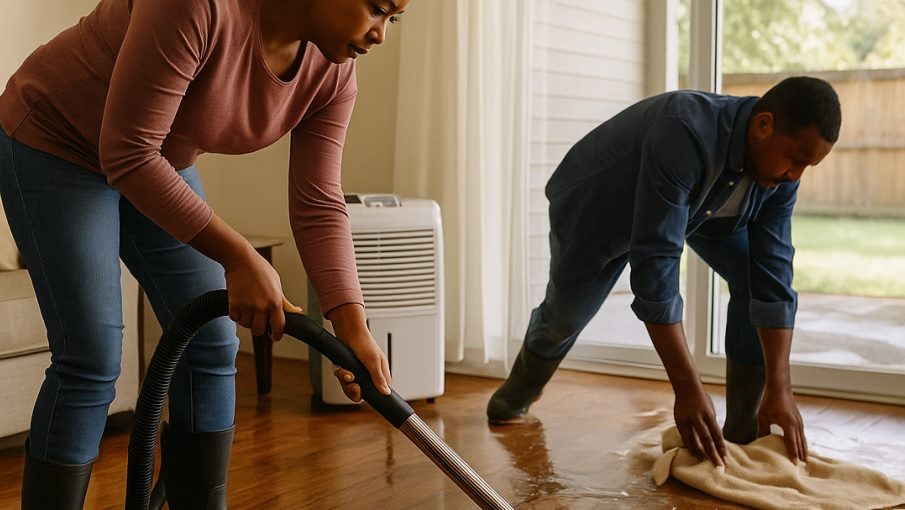
Even in a quiet town like Hartland, water can become an unexpected menace. From sudden pipe bursts to seasonal flooding, homeowners often underestimate how fast a small leak can escalate. Knowing how to respond effectively can mean the difference between minor cleanup and major structural repairs.
Professional water removal Hartland services provide the tools, expertise, and experience to tackle water emergencies efficiently—but understanding the risks and priorities helps you act decisively from the first moment water enters your home.
The Unseen Effects of Water in Your Home
Water doesn’t just sit where it lands. In minutes, it can:
- Penetrate floorboards, carpets, and subflooring
- Migrate behind walls and into insulation
- Compromise structural elements like beams and joists
These hidden effects are often more dangerous than what’s visible on the surface. Mold growth, weakened flooring, and electrical hazards can emerge quietly, sometimes days after the initial incident.
When Minutes Matter: The Critical First Actions
Imagine walking into your home to find your basement partially submerged. What you do first directly influences the outcome:
- Stop the source immediately: Shut off valves or contain external water entry
- Protect what you can: Relocate electronics, furniture, and valuables to higher areas
- Avoid unsafe areas: Wet floors may be unstable or electrified
- Document the situation: Photos or videos are crucial for insurance and repair planning
- Reach out to professionals: Quick water removal reduces damage and long-term costs
Even a few hours of delay can allow water to seep deeper, creating problems that are harder to fix.
Why Some Homes Suffer More Than Others
Not all water incidents are equal. Certain factors make damage worse:
- Age of the home: Older structures may have weakened materials or outdated plumbing
- Water type: Clean tap water behaves differently than storm or floodwater, which can carry contaminants
- Extent of exposure: Water in confined spaces like crawlspaces or basements is harder to remove and more likely to cause lasting issues
Understanding these factors helps homeowners make informed decisions about whether to attempt temporary measures or call in professional water removal immediately.
Tools and Techniques Used by Experts
Professional teams don’t just mop up water. They use specialized techniques to prevent further loss:
- High-capacity pumps and vacuums remove standing water efficiently
- Moisture detection devices reveal water hidden in walls, floors, and ceilings
- Industrial dehumidifiers and air movers dry materials thoroughly, preventing mold growth
- Sanitizing treatments address bacteria or potential contaminants
These tools and methods ensure that the home is restored safely and fully, unlike most DIY efforts that leave hidden moisture behind.
Planning for Repairs: What Comes After Water Removal
Once water is removed, homeowners must decide which materials can be saved and which need replacement:
Often repairable:
- Hardwood floors if dried quickly
- Tile and concrete surfaces
- Certain pieces of furniture
Usually replaced:
- Saturated drywall or insulation
- Carpets soaked with contaminated water
- Laminate flooring that has warped
Correctly prioritizing repairs ensures structural stability and reduces future issues.
Preventing Recurring Water Damage
Even after water is removed, prevention is key to avoiding repeat incidents:
- Inspect and maintain gutters, downspouts, and roofing
- Seal cracks around foundations and windows
- Install sump pumps or backflow prevention systems
- Schedule regular plumbing inspections
- Keep humidity levels in check inside the home
Proactive maintenance often saves far more than emergency interventions later.
Questions Homeowners Commonly Ask
Can standing water be fully removed without professionals?
Some visible water can be handled, but hidden moisture often requires professional detection and extraction.
How fast does mold grow after water intrusion?
Under the right conditions, mold can appear within 24–48 hours.
What is the difference between water removal and restoration?
Water removal is the immediate extraction of water; restoration includes drying, sanitizing, and repairing affected structures and materials.
Final Thought: Act Fast, Protect Smart
Water incidents in Hartland can escalate quickly if not addressed properly. Quick action, coupled with professional water removal Hartland services, ensures your home is dried, treated, and prepared for restoration. By understanding risks, responding promptly, and taking preventive measures, homeowners can minimize damage and protect both their property and peace of mind.