Everything You Need To Know About Ship Storage Containers
What Exactly Are Ship Storage Containers? Unpacking the Basics
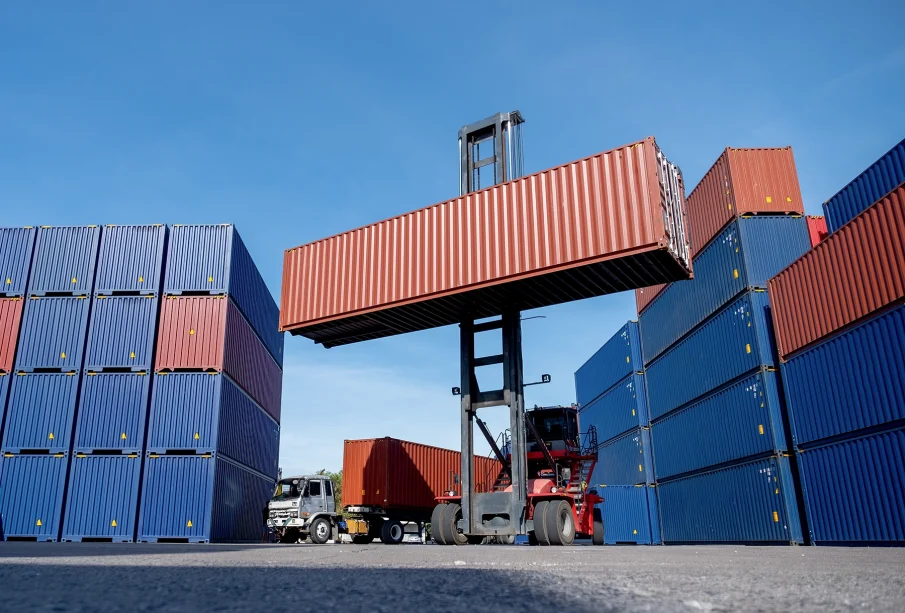
Ship storage containers are robust containers designed to transport goods across various modes of transport, including ships, trucks, and trains. They combine durability, security, and flexibility, making them essential in the global shipping industry. These containers come in standardized sizes that facilitate stacking and easy loading and unloading, optimizing space and efficiency. Beyond maritime transport, they have also found lucrative applications in various industries, revolutionizing storage solutions both on land and at sea.
Defining the Marvel: Different Types of Containers
There are several types of ship storage containers, each tailored for specific applications. The most common type is the standard dry container which is used to transport general cargo. It comes in sizes such as the 20-foot and 40-foot units, designed for maximum weight transport and optimizing space use. Refrigerated containers, or “reefer” containers, are essential for transporting perishable goods under regulated temperature conditions, crucial in food and pharmaceutical industries. For bulk cargo, open-top containers or flat-rack containers are used, offering flexibility for oversized equipment and goods that require top access. Tank containers are designed specifically for the transport of liquid materials, safely accommodating hazardous and non-hazardous liquids alike. Each container type has its own design and structural integrity, ensuring they can withstand various environmental challenges associated with long-term transportation and storage activities.
From Ship to Shore: Understanding Transportation Logistics
Transportation logistics plays a crucial role in the efficiency of shipping operations. It begins with the coordination of cargo loading at the port of origin, where containers are securely packed to maximize space and minimize movement during transit. The international shipping process involves complex intermodal transport, where containers are transferred seamlessly across ships, trucks, and rail. A critical component of this logistics puzzle is the Container Security Initiative (CSI), which aims to identify and inspect high-risk cargo in advance, substantially enhancing security. Moreover, business models such as Just-In-Time (JIT) logistics are becoming more prevalent among industries, demanding tighter schedules for container ship arrivals, faster turnaround times, and local distribution systems that are agile enough to handle ever-changing customer demands.
Innovations in Design: How Containers Evolve with Time
As global trade continues to expand, ship storage containers are also evolving to meet contemporary needs. Innovations in container design encapsulate the integration of sustainable materials and the introduction of smart technology. Modern containers are increasingly equipped with sensor technology that offers real-time monitoring of cargo conditions. This innovation addresses potential issues such as temperature fluctuations for delicate cargo and assures the integrity of sensitive materials during transport. Additionally, advancements in modular design allow for enhanced flexibility, enabling businesses to customize their shipping solutions on-demand. For example, collapsible containers that can be folded and stacked when empty offer significant space-saving advantages at shipping yards. Furthermore, the push for eco-friendly designs is inspiring the creation of containers made from recycled materials, aligning the shipping industry with global sustainability goals.
The Versatile World of Ship Storage Containers: Uses Beyond Shipping
Ship storage containers are not solely confined to shipping operations; they have found innovative applications across various sectors, proving their versatility and adaptability in modern usage.
Creative Spaces: Transforming Containers into Homes
One of the most captivating trends in recent years is the transformation of shipping containers into livable spaces. These “container homes” have gained popularity due to their affordability, modular design, and eco-friendly attributes, making them an appealing choice for both urban dwellers and rural developers. Architects and homeowners are utilizing containers to construct unique dwellings, stand-alone homes, or innovative vacation rentals. The process often involves insulation, plumbing, and electrical installation to ensure comfort and functionality. Designers turn challenges into creative opportunities; opening up walls can introduce natural light and makeover the space entirely. The growing trend of upcycled container homes speaks to a broader movement toward sustainable living, attracting eco-conscious individuals who seek alternatives to traditional housing.
Business on the Move: Commercial Applications for Containers
Containers have evolved to serve not only as storage units but as functional business environments. Mobile businesses have emerged, utilizing cargo containers as retail shops, pop-up cafes, or mobile offices. These adaptable units are often equipped with the necessary fixtures, allowing entrepreneurs to establish a professional presence without the high costs associated with traditional brick-and-mortar establishments. Moreover, the construction industry has embraced containers for site offices, providing a practical and cost-efficient solution for temporary workspaces. The modular nature of containers allows them to be easily relocated, making them ideal for remote sites or during construction projects requiring a flexible footprint. Many companies have realized the commercial potential of utilizing shipping containers, as they can be outfitted with branding and signage to create a unique identity for their businesses.
Eco-Friendly Storage: Sustainability in Container Usage
The eco-friendliness of using ship storage containers comes from their inherent design—made to withstand the harsh marine environment, these containers possess durability that leads to a long lifecycle when repurposed. Recycling old containers to create innovative storage solutions taps into sustainable practices by reducing waste and promoting reusability. Companies are increasingly converting used containers into energy-efficient storage facilities. These storage containers can be insulated and powered with solar energy, making them a practical solution for businesses seeking to minimize their carbon footprint. Many innovators proceed to leverage renewable energies, integrating solar panels directly onto container roofs, allowing them to function independently while maintaining an eco-friendly stance.
Navigating the Costs: What You Need to Know Before Buying
When considering the purchase of a ship storage container, it’s imperative to assess the costs beyond the initial price tag. An understanding of the financial aspects can affect your budgeting and project planning.
Understanding Market Prices: Factors Affecting Container Costs
The price of ship storage containers can vary dramatically based on several factors such as condition (new versus used), type, size, and market demand. Market fluctuations—affected by global trade tensions, shipping volumes, and even economic conditions—can affect availability and pricing trends. Whole sectors like logistics and construction regularly utilize containers, and any shifts in these industries affect prices. Apart from these predominant factors, geographical location also plays a significant role, as prices may differ significantly from port cities compared to inland locations where transportation costs become more pertinent. Potential buyers must also consider the timing; purchasing during peak seasons may incur additional costs, while off-peak times can offer savings.
Hidden Expenses: Maintenance and Transportation Fees
Beyond purchasing costs, several hidden expenses may arise. Regular maintenance is essential for ensuring longevity and usability; rust, pests, and water damage can diminish a container’s value and functionality over time. Thus, budgeting for maintenance—such as repainting, structural repairs, or cleaning—is critical. Transportation costs can also accumulate quickly. Whether you’re moving the container from the seller’s location or relocating it for use, fees tied to freight charges and special handling must be calculated. Additionally, if the container requires modifications, there may be installation fees from contractors who specialize in container work. Being proactive about these costs can make your overall investment more sustainable and practical.
Financing Your Container: Options and Expert Tips
Financing options for purchasing ship storage containers can vary widely but are essential for making this investment accessible. Some companies offer leasing options that allow businesses to rent containers temporarily, giving flexibility without the long-term commitment. Loans through banks or specialized lenders dedicated to commercial equipment may provide a more feasible route for full ownership based on a corporate financial plan. When seeking to finance, it’s vital to have an accurate understanding of your budget, detailed projects, and potential returns on investment. Consulting experts in the field can provide insights into best practices, encouraging you to consider resale value in your decision-making process—containers retain significant value if maintained properly, making them an attractive financial asset in many business scenarios.
The Future of Ship Storage Containers: Innovations on the Horizon
As we look forward, the shipping industry continues to witness remarkable advancements in technology and design, shaping the future of ship storage containers to meet modern demands and challenges.
Smart Technology in Containers: The Rise of IoT Solutions
The Internet of Things (IoT) has become a game-changer, introducing smart technology into shipping containers. This innovation allows containers to be equipped with sensors and tracking devices that provide real-time data regarding location, temperature, humidity, and even security conditions. With such technology in place, companies can monitor their shipments and respond promptly to any discrepancies or potential issues along the supply chain. Integrated software applications enhance operational efficiency, enabling logistics managers to access data effortlessly and make informed decisions promptly. Predictive analytics can analyze collected data to forecast needs, optimize routes, and streamline delivery schedules, which plays a critical role in inventory management for businesses that rely on shipping.
Safety and Security: Advancements in Container Protection
With rising global concerns related to cargo theft and tampering, the need for safety and security in shipping containers is increasingly paramount. Advanced locking systems and surveillance technology have emerged as essential features in modern container designs. Smart locks that can only be accessed with electronic keys or mobile apps reduce the risk of unauthorized entry and ensure cargo safety. Additionally, tamper-evident seals and real-time tracking capabilities contribute to more reliable security protocols. Companies are also exploring blockchain technology to enhance the transparency of shipping practices, ensuring that every step of a shipment is documented and verifiable, which not only enhances security but fosters trust among stakeholders.
The Green Revolution: How Containers are Leading Sustainable Practices
As sustainability becomes a priority across numerous industries, ship storage containers are at the forefront of the movement. The practice of upcycling used containers into modern infrastructure reduces new material consumption, promoting a circular economy. Companies are investing in eco-concerns by employing materials sourced from renewable resources or employing technology that minimizes emissions in container manufacturing. Innovation in developing biodegradable container coatings and the use of energy-efficient practices in shipping operations represents a substantial shift towards environmentally responsible processes. Weathered by many years of use, the shipping container community is adapting to become part of the solution in a broader fight against climate change, laying the groundwork for the future of sustainable shipping and management solutions. In conclusion, ship storage containers are vital to the modern logistical landscape, offering flexibility, sustainability, and innovative applications that extend beyond shipping. Understanding their characteristics, potential, and emerging technologies can empower businesses to leverage containers effectively while adapting to an ever-evolving global market. Whether utilized for transport, temporary spaces, or permanent architectural solutions, the journey of the shipping container continues to impact industries worldwide.
FAQ
Question: How long do ship storage containers typically last? – The lifespan of a ship storage container can vary, but with proper maintenance, they can last 25 years or more, making them a durable investment.
Question: What features should I consider when selecting a container for my business? – Important features to evaluate include size, type (dry, refrigerated, etc.), insulation, security options, and accessibility, which influence how well the container meets your specific needs.
Question: Can I modify a shipping container after purchase? – Yes, containers can be modified for various purposes, including adding doors, windows, electrical wiring, and insulation, but it’s important to work with experienced professionals to ensure safety and compliance.
Question: Are there specific maintenance routines I should follow for containers? – Regular maintenance includes inspecting for rust, cleaning, ensuring watertight seals, and checking for structural integrity; addressing issues promptly can prevent more serious damage.
Question: What is the best way to transport a shipping container? – Transporting a shipping container generally requires specialized trucks with trailers designed to handle heavy loads; hiring a professional shipping company familiar with container transport is advisable.
Question: Is it legal to use shipping containers for residential purposes? – The legality of using shipping containers as homes varies by location and local building codes; it’s essential to check with local authorities to ensure compliance before proceeding.
Question: How do I properly secure my shipping container? – Securing a shipping container can involve using high-security locks, alarm systems, and surveillance cameras, which deter theft and unauthorized access, enhancing overall security.
Question: What are the environmental benefits of repurposing shipping containers? – Repurposing shipping containers minimizes waste, reduces the demand for new construction materials, and promotes sustainable living practices, contributing positively to environmental conservation efforts.
Useful Resources
- American Planning Association
- CargoWeb
- International Organization for Migration
- DNV
- Container Journal
- United Nations Conference on Trade and Development
- World Shipping Council
- IBISWorld