Chordee 101: Understanding Its Impact And Treatment Options
Key Takeaways
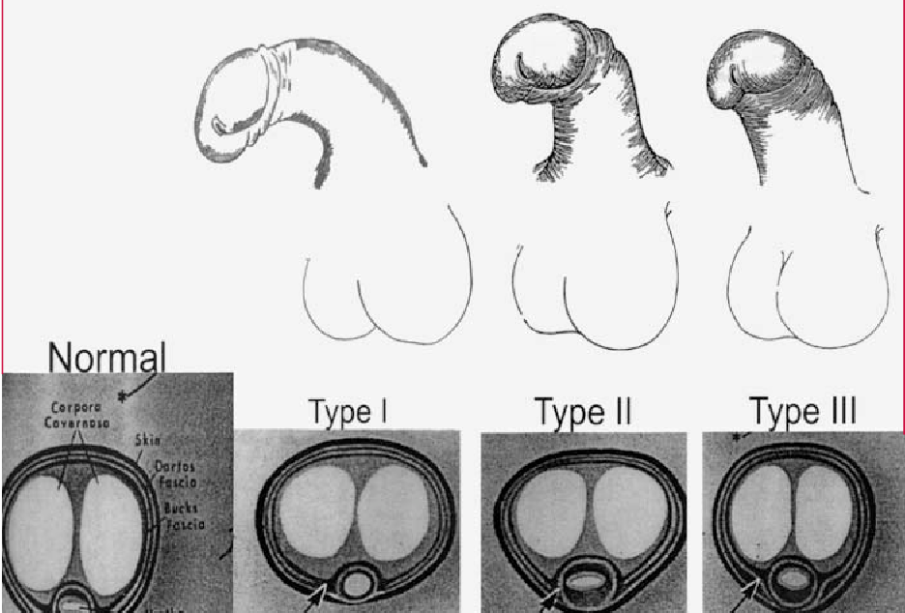
Chordee is defined by a downward curvature of the penis present at birth. This often comes with an incomplete foreskin and, in some cases, an abnormal location of the urinary opening. This underlines the importance of early diagnosis.
Unlike hypospadias, which doesn’t always involve penile curvature, chordee requires distinct treatment strategies vital for successful outcomes.
Genetic elements, including specific mutations and a family history of penile birth defects, play a significant role in the development of chordee, frequently alongside other congenital anomalies.
Environmental factors during pregnancy, like medication exposure or maternal health issues such as diabetes, can heighten the risk of chordee. This reveals the critical need for proper antenatal care.
Surgery is generally necessary to treat chordee, focusing on rectifying the curvature and possibly reconstructing the urethra. The optimal timing for these procedures is typically before age three.
Recovery from surgery may take several weeks. During this time, it’s crucial for parents to manage pain and keep an eye on their child’s activity levels to ensure effective healing.
Children with chordee often grapple with psychological challenges, including self-esteem and body image concerns. Parental support and open conversations are essential in creating a nurturing environment.
Identifying Chordee: Key Symptoms to Watch For
The Telltale Signs Present at Birth
Identifying chordee shortly after birth can dramatically influence treatment outcomes. Newborns with this condition typically display a noticeable downward curvature of the penis, especially when erect. Signs of an incomplete foreskin or a tight band of tissue at the base may also be present. These symptoms can facilitate the early discovery of chordee.
Additionally, some infants might show features linked to hypospadias, like an abnormal urinary opening placement. Such findings can raise concerns related to urination and possible future complications. Recognizing these signs is key to enabling further evaluation and intervention.
How Chordee Differs from Other Conditions
Chordee is frequently confused with other penile conditions, complicating the diagnostic process. Hypospadias, for instance, pertains to the abnormal positioning of the urethral opening but doesn’t invariably include the curvature seen in chordee. This distinction holds great importance since treatment plans differ depending on the precise diagnosis.
Put simply, functional implications of hypospadias can be less severe when curvature isn’t involved. In contrast, chordee brings its own set of complex challenges, which may call for surgical intervention. Clear understanding is crucial for healthcare professionals to develop effective treatment plans customized to suit the patient’s specific needs.
Investigating the Underlying Causes of Chordee
Genetic Factors and Their Role in Penile Development
Research indicates that genetics are critical in the formation of chordee. Mutations in particular genes that are integral to the development of the penis and scrotum can cause the curvature seen at birth. These genetic variations often accompany other congenital abnormalities.
- Chromosomal abnormalities, such as Klinefelter syndrome.
- Family history of penile birth defects.
- Associated congenital conditions that can affect hormone regulation.
Progress in research continues to shed light on these genetic tendencies. By understanding these elements, professionals can better navigate potential treatment options and long-term management strategies for affected individuals.
Influences During Pregnancy: What Research Reveals
Certain environmental conditions during pregnancy have been associated with chordee. For example, exposure to specific medications, drugs, or alcohol can interrupt normal fetal development, increasing the odds of this condition. Furthermore, maternal health challenges, including diabetes, have emerged as contributory factors.
Experts emphasize the need for vigilant monitoring of maternal health and environmental exposures. Such awareness could lead to early interventions and improved outcomes for newborns. Antenatal care plays an essential role in evaluating and managing conditions like chordee.
Effective Treatment Modalities for Chordee
Surgical Options: What Patients Need to Know
When addressing chordee, surgical intervention is often essential. The primary aim of these operations is to correct the curvature while ensuring proper function of the penis. The surgery may involve straightening the penis and, if necessary, reconstructing the urethra.
- Timing: Typically, surgery is conducted during early childhood, often before the child turns three. This timeframe supports optimal physical and psychological development.
- Types of procedures: Various techniques may be employed, including advanced plications, grafting, or penile reconstruction, depending on the condition’s severity.
- Post-operative care: After surgery, regular check-ups are critical to monitor healing and tackle any arising complications.
A successful surgical outcome not only depends on technical proficiency but also on thorough pre-operative evaluation and diligent post-operative care. Being informed of these aspects equips families to navigate the process more effectively.
Timing and Recovery: Setting Realistic Expectations
The recovery period following chordee surgery can involve several weeks of careful monitoring. Experts suggest avoiding vigorous activities during this phase. It’s common to encounter some swelling and discomfort as healing proceeds.
“Effective pain management and proper care are significant factors influencing recovery times and outcomes.”
Generally, most children can resume normal activities within a month or two, contingent on the specific surgical procedure and their overall health status. Regular follow-up visits provide healthcare providers the opportunity to assess recovery and offer reassurance. Parents should feel encouraged to ask questions and seek clarity throughout this process.
The Psychological and Social Effects of Chordee
Addressing Concerns of Self-Esteem and Body Image
For children with chordee, psychological effects are just as important as the physical ones. Timely interventions and corrective surgery can alleviate many of the physical challenges. However, the emotional and social consequences still pose significant issues. Children may struggle with self-esteem or body image concerns linked to their condition.
- Peer relationships: Children might encounter bullying or teasing, intensifying feelings of insecurity.
- Body image: Worries about physical appearance may arise, affecting their confidence.
- Parental support: Understanding and involvement from caregivers can profoundly influence coping strategies.
Tackling these psychological dimensions holds equal weight to addressing the physical manifestations of chordee. Open discussions about feelings can nurture environments where children sustain a sense of safety and acceptance.
Supporting Families: Resources and Strategies
Families navigating the complexities of chordee have access to an array of resources. Support groups can provide valuable emotional backing, while online communities allow sharing of experiences and advice.
- Educational materials: Parents are encouraged to seek reputable literature about chordee and associated treatments.
- Professional counseling: Working with a mental health professional can aid in managing emotional difficulties.
- Peer support networks: Connecting with other families who have experienced chordee may offer comfort and valuable insights.
Being proactive in these areas fosters a stronger, healthier environment for both the child and the entire family, enhancing the experience of managing chordee.
FAQ
What are the long-term effects of chordee on an individual’s health?
When effectively treated, individuals with chordee typically encounter few long-term health complications. Surgical correction often resolves curvature issues, while ongoing monitoring addresses potential complications. However, psychological repercussions might persist, necessitating attention during adolescence and adulthood.
Are there alternative therapies for chordee aside from surgery?
At present, surgery remains the standard and most effective method for addressing chordee. Although some may advocate for physical therapy or other non-surgical approaches, these methods lack substantial clinical support. Surgery stands as the definitive treatment for achieving positive outcomes.
How can parents best support their child through recovery from chordee surgery?
Parental involvement is crucial during recovery. Engaging in open dialogues about emotions and providing comfort can help alleviate anxiety. Regular follow-up appointments are essential for ensuring optimal healing, and effective pain management can significantly contribute to the child’s comfort level.
Is chordee hereditary, and are siblings at risk?
There can be a genetic component to chordee, often linked to family cases. If a child is born with chordee, it may heighten the risk for siblings, particularly if a history of penile birth defects exists. Genetic counseling might offer valuable insights into potential risks for siblings.
What type of healthcare professionals are best suited for treating chordee?
Pediatric urologists are commonly involved in the treatment of chordee. These specialists focus on genital and urinary tract abnormalities in children. Additionally, support from mental health professionals may assist in addressing emotional and psychological challenges associated with the condition.
How does chordee impact a child’s social interactions during their development?
Social interactions may be challenging for children with chordee, especially regarding acceptance and self-esteem. Peer relationships could be affected, particularly in situations involving teasing or bullying. Supportive parenting and open communication can ease these social hurdles.
What are the signs that treatment for chordee is successful?
Indicators of successful chordee treatment may include improved curvature of the penis following surgery, proper urinary function, and decreased physical discomfort. A positive psychological adjustment and heightened self-esteem can also signify favorable outcomes.
Should children with chordee follow a specific lifestyle after successful treatment?
Following treatment, drastic lifestyle changes shouldn’t be necessary for a child. Encouraging normal activities and interactions is vital while maintaining routine check-ups to ensure ongoing health. Parents should promote a balanced lifestyle that fosters emotional resilience and self-acceptance.