After The Storm Clears: A Practical Look At Roof Repair And Recovery
Storms have a way of arriving fast and leaving behind questions. One minute the rain is pounding the windows, the next you are stepping outside to see shingles scattered across the yard or a dark patch spreading across the ceiling. For many homeowners, the roof is the most vulnerable part of the house, yet also the least understood. It quietly does its job every day, until a storm tests its limits.
Understanding how roofs are damaged, what recovery really involves, and how professional help fits into the process can make a stressful situation feel more manageable. This is where clear information and realistic expectations matter just as much as skilled craftsmanship.
Why Roofs Take the Brunt of Severe Weather
A roof is designed to protect against everyday exposure, sun, rain, and seasonal changes. Severe storms push those materials far beyond normal conditions.
Wind Damage and Uplift
High winds do not just blow shingles off in dramatic fashion. Often, they loosen fasteners, break adhesive seals, or lift edges just enough to create weak points. These small failures allow water to enter later, even during mild rain.
Hail and Impact Stress
Hail can bruise shingles, crack tiles, or dent metal roofing. The damage is not always obvious from the ground. Granules may be knocked loose, shortening the roof’s lifespan and reducing its ability to shed water.
Heavy Rain and Hidden Leaks
Prolonged rainfall tests every seam and flashing detail. If water finds a path beneath the surface, it can travel along decking or insulation before showing up inside the home. By the time a stain appears on the ceiling, the problem has often been active for a while.
Falling Debris
Branches and airborne debris add another layer of risk. Even a small impact can fracture materials or compromise structural elements beneath the roof covering.
The Aftermath Homeowners Commonly Face
Once the storm passes, the real challenge begins. Homeowners are often unsure whether the damage is serious or mostly cosmetic.
Visual Clues to Watch For
Some signs are easy to spot, such as missing shingles, bent flashing, or debris on the roof. Others are more subtle, including uneven shingle patterns, exposed nail heads, or discoloration that suggests moisture intrusion.
Interior Warning Signs
Inside the home, water stains, peeling paint, or musty odors can indicate roof damage. These symptoms should never be ignored, even if they appear minor at first.
The Risk of Waiting Too Long
Delaying repairs can turn a manageable issue into a major project. Moisture trapped in the roof system can lead to rot, mold growth, and insulation failure. Addressing problems early often saves both money and stress.
What Storm Recovery Actually Involves
Many people assume roof repair after a storm is simply a matter of replacing what was visibly damaged. In reality, effective recovery is a multi step process that balances inspection, planning, and skilled execution.
Comprehensive Roof Inspections
A thorough inspection goes beyond what can be seen from the ground. Professionals examine shingles or panels, underlayment, flashing, vents, and drainage systems. The goal is to identify all affected areas, not just the obvious ones.
Understanding Repair Versus Replacement
Not every storm damaged roof needs to be replaced. Sometimes targeted repairs are enough to restore performance. Other times, widespread damage or an aging roof makes replacement the smarter long term choice. Honest assessments help homeowners make informed decisions.
Temporary Protection Measures
In cases of active leaks, temporary solutions such as tarping may be used to prevent further water intrusion until permanent repairs can be completed. This step is about damage control, not cutting corners.
How Professional Roofing Support Fits In
Recovering from storm damage often requires specialized knowledge and experience. This is where storm damage roofing services play a critical role in guiding homeowners through uncertainty and into recovery.
Technical Expertise Matters
Storm damage can affect multiple layers of the roofing system. Trained professionals understand how materials interact and how to restore them properly, rather than relying on quick fixes that fail later.
Safety Considerations
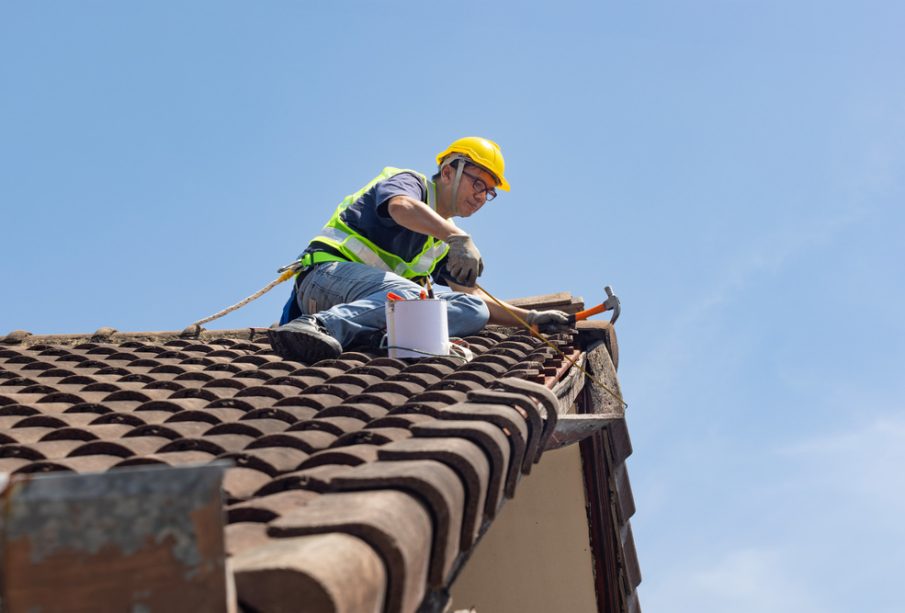
Climbing onto a damaged roof can be dangerous. Loose materials, hidden soft spots, and unstable surfaces pose real risks. Experienced crews have the equipment and training to work safely in these conditions.
Documentation and Clarity
Professional assessments often include detailed documentation of damage. This can be helpful when planning repairs and, if needed, communicating with insurance providers. Clear records reduce confusion and delays.
Materials and Methods Used in Modern Repairs
Roofing technology has evolved significantly over the years. Today’s repair and replacement options offer improved durability and performance when installed correctly.
Asphalt Shingles
Still one of the most common roofing materials, asphalt shingles are designed to resist wind and impact. Newer products often feature enhanced adhesive strips and reinforced construction.
Metal Roofing Systems
Metal roofs perform well in severe weather when properly installed. Repairs may involve panel replacement, seam reinforcement, or fastener upgrades rather than full system removal.
Tile and Specialty Materials
Clay, concrete, or synthetic tiles require specialized handling. Storm damage repair for these systems focuses on replacing broken units and ensuring the underlying structure remains intact.
Flashing and Sealants
Many leaks originate at flashing points around chimneys, skylights, and vents. High quality sealants and properly shaped flashing are essential for long term protection.
The Emotional Side of Storm Damage
Beyond the physical repairs, storm damage takes an emotional toll. Homes represent safety and stability, and seeing that protection compromised can be unsettling.
Decision Fatigue After a Storm
In the days following severe weather, homeowners often face a flood of decisions. What needs fixing first, who to trust, and how to balance cost with quality. Clear communication and realistic timelines help ease this burden.
Avoiding High Pressure Situations
After major storms, it is common for homeowners to encounter aggressive sales tactics. Taking time to understand options and asking thoughtful questions leads to better outcomes.
Regaining Peace of Mind
Once repairs are complete, many homeowners describe a sense of relief that goes beyond aesthetics. Knowing the roof has been restored properly brings confidence that the home is ready to face the next storm.
Maintenance as a Form of Prevention
While storms are unpredictable, preparation can reduce the severity of damage.
Regular Roof Inspections
Routine inspections help identify weak points before severe weather exposes them. Addressing small issues early often prevents larger failures later.
Gutter and Drainage Care
Proper drainage reduces water buildup during heavy rain. Clean gutters and downspouts help direct water away from the roof and foundation.
Trimming Nearby Trees
Overhanging branches increase the risk of impact damage. Keeping trees trimmed reduces debris hazards during high winds.
Knowing Your Roof’s Age
Understanding where your roof is in its lifespan helps set realistic expectations. Older roofs may be more vulnerable and require proactive planning.
Choosing the Right Help After a Storm
Not all roofing professionals approach storm recovery the same way. Choosing wisely makes a significant difference in both the repair experience and the final result.
Look for Clear Communication
Professionals who explain findings, options, and timelines clearly tend to build better trust. Transparency is a strong indicator of quality work.
Focus on Process, Not Promises
Be cautious of guarantees that sound too good to be true. Quality repair is about careful assessment and proper execution, not quick assurances.
Value Long Term Performance
The goal of storm recovery is not just to fix what broke, but to restore the roof’s ability to protect the home for years to come.
Moving Forward With Confidence
Storms may be unavoidable, but confusion and prolonged damage do not have to be. Understanding how roofs are affected, what recovery involves, and how professional support fits into the process empowers homeowners to take thoughtful action.
When addressed properly, storm damage becomes a chapter rather than a defining moment. With informed decisions, skilled workmanship, and a focus on long term performance, a roof can return to doing what it does best, quietly protecting everything beneath it.