Future-Proof Your Home: How A Quality Window Install Saves You Money In The Long Run
The Importance of Quality: Why Choosing the Right Installer Matters
Understanding the Impact of Professional Installation on Window Performance
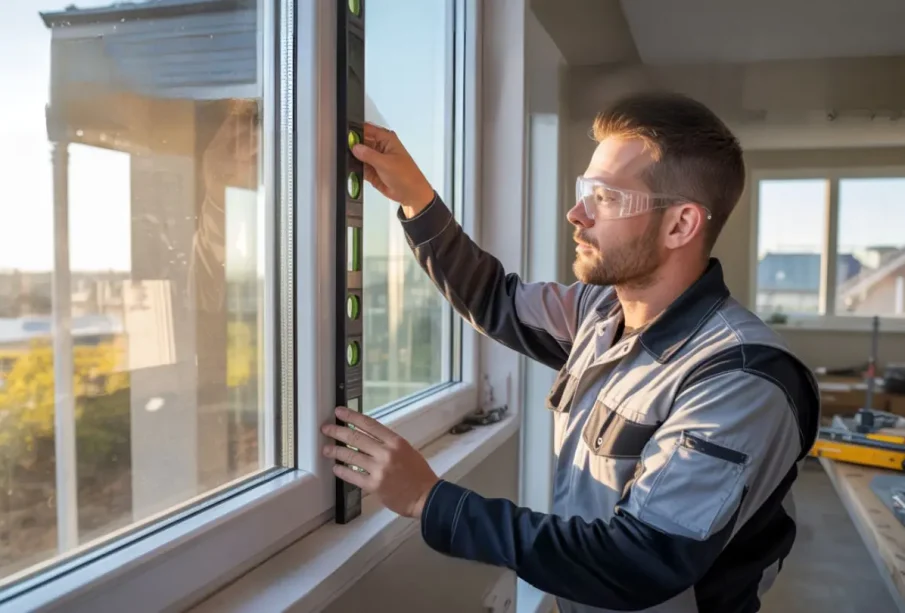
When embarking on a home renovation project, specifically one involving window installation, it’s paramount to acknowledge the critical role that professional installation plays in maximizing window performance. Windows are a fundamental component of your home’s envelope, influencing everything from energy efficiency to aesthetics. A perfectly installed window will function seamlessly, providing insulation against heat loss in winter and keeping your living spaces cool during summer months. In contrast, poor installation can lead to a cascade of issues—air leaks, moisture infiltration, and compromised structural integrity—which can result in costly repairs over time.
Research has shown that nearly 60% of window failures or performance issues can be attributed to improper installation rather than defective products. This emphasizes the importance of hiring a qualified installer who adheres to manufacturer guidelines and best practices. Additionally, professional installers will understand local building codes and regulations, ensuring that your installation complies with safety standards. In essence, quality installation safeguards your investment and fortifies the longevity of your windows, making the decision on who to hire a pivotal one.
How the Right Installation Can Save You Money Long-Term
Investing in the right window installation company is not merely about initial outlay; it’s about long-term savings that can significantly enhance your financial well-being. A skilled installer will ensure that your windows are energy efficient, potentially lowering your heating and cooling bills by 10% to 30% depending on the region and the materials utilized. Furthermore, properly sealed and insulated windows enhance your home’s energy efficiency, thereby increasing its overall market value and appeal should you decide to sell in the future.
Moreover, quality installations typically offer better performance in relation to warranties. Many window manufacturers provide guarantees that can only be honored if the installation is completed by certified professionals. If mistakes occur due to subpar installation, you risk voiding these warranties, leaving you financially responsible for repairs or replacements. Thus, while the cost of opting for a reputed installer might seem higher initially, the long-term savings through enhanced performance, energy efficiency, and peace of mind far outweigh these initial expenses. Making the right choice here protects your investment and contributes to sustainable living.
Red Flags to Watch Out for When Hiring a Window Installer
Spotting Unreliable Quotes: What Does the Fine Print Say?
A crucial step in selecting a window installation company involves scrutinizing the quotes provided. While a low quote can be tempting, it’s essential to dive deeper into the offer’s details. Unreliable estimates often hide crucial aspects in the fine print, such as materials used, scope of work covered, and any additional charges that might arise post-installation. Common pitfalls include vague language, exclusions for important services like disposal of old windows, or stipulations that require hefty deposits without outlining clear timelines for project commencement.
Additionally, legitimacy can often be assessed through transparency; trustworthy contractors will provide detailed, itemized quotes that clarify the cost of labor, materials, and any other fees. If a quote appears significantly lower than competitors, it warrants a closer examination—low pricing can indicate the use of substandard materials or inexperienced labor. It’s essential to seek quotes from multiple installers to gain perspective but equally important to weigh these figures alongside the reputation and reliability of the companies involved.
The Warning Signs of an Inexperienced Installer: Trust Your Instincts
When evaluating potential window installers, your instincts can be your best ally in identifying inexperienced contractors. One glaring red flag is the lack of proper licensing or insurance. A reputable installer should have both general liability and workers’ compensation insurance to protect you and your home during the project. A contractor who hesitates to provide proof of these documents raises concerns about their professionalism and reliability.
Another warning sign is the lack of substantial experience or a portfolio to showcase prior work. A company should be prepared to refer you to past customers or demonstrate a proven track record in window installation. Pay attention to their communication style; a lack of responsiveness or unwillingness to answer your questions can indicate a disorganized or untrustworthy operation. Moreover, installers who promise unrealistic timelines or results are likely trying to rush through your project without the necessary due diligence, which can lead to future headaches. Trust your instincts and seek installers who exhibit steadiness, expertise, and respect in your interaction.
Questions to Ask Before Signing on the Dotted Line
Essential Inquiries About Licenses and Certifications
Before making a decision, it’s crucial to probe into the credentials of your prospective window installer. Ask about their licensing status, which can differ by state or region, and verify that they meet all local regulations. This not only serves as an assurance of their expertise but also provides peace of mind that your installation is compliant with safety standards. Additionally, inquire about specific certifications, such as those from the National Association of the Remodeling Industry or other industry-recognized organizations. These endorsements demonstrate that the installer has undergone extensive training and adheres to the best practices in the field.
Another pertinent area to explore is the company’s experience with the specific types of windows you are interested in. Installation techniques can differ vastly between various window styles—such as casement versus sliding—so confirming their familiarity with your chosen product type is essential. This will provide further confidence that your windows will not only look great but will also perform optimally over time. Collecting this information proactively can save you from future complications and ensure that you are partnering with a competent professional who values quality work.
Warranty Insights: What Coverage Should You Expect?
Understanding warranty coverage is indispensable in the window installation conversation. It is important to distinguish between product warranties provided by the window manufacturer and the workmanship warranties provided by the installer. Manufacturers typically offer assurances covering defects in materials and manufacturing faults for varying lengths of time, ranging from 10 years to a lifetime, depending on the brand and product. Knowing what these warranties entail can safeguard your investment against potential defects that might emerge after installation.
On the other hand, workmanship warranties are equally vital. These warranties cover the installation process and are indicative of the installer’s confidence in their performance. Quality installers will often provide at least a two-year warranty, while some may extend this to five years or more. It is crucial that you inquire about the specific terms of these warranties—what they include, duration, and the process for making a claim. By fully understanding these distinctions, you equip yourself with the information needed to ensure your home remains safeguarded, and you can enjoy peace of mind knowing that you’ve made a sound investment.
Decoding Reviews: How to Differentiate Genuine Feedback from Fabricated Testimonials
Utilizing Online Resources to Gauge Installer Reputation
In today’s digital age, online reviews play an influential role in guiding consumer decisions, particularly in the home renovation sector. Websites like Angie’s List, Yelp, and Google Reviews provide a wealth of feedback that can help you ascertain the reputation of potential window installers. However, discerning genuine feedback from fabricated testimonials necessitates a level of scrutiny. Start by examining the volume of reviews; a company with a consistent flow of feedback across multiple platforms is more likely to be legitimate than one with only a handful of glowing reviews.
Pay close attention to the content of the reviews. Authentic testimonials often provide specific stories or mention particular aspects of the service, highlighting strengths and areas for improvement. Additionally, look for patterns in the feedback—if multiple reviews point to similar strengths or weaknesses, there’s a high likelihood that the information is credible. Moreover, avoid companies that only display high ratings without addressing any negative feedback; genuine businesses will recognize setbacks and demonstrate how they’ve worked to rectify them. By comprehensively assessing online reviews, you can form a clearer picture of each installer’s track record and reliability.
The Art of Reading Between the Lines in Customer Reviews
While online reviews serve as a vital resource, the art of reading between the lines to understand the subtleties of customer experiences can elevate your decision-making process. Delve deeper into the language used in reviews; overly enthusiastic comments that seem too good to be true may indicate potential manipulation, especially when multiple reviews share strikingly similar phrasing. Authentic feedback generally includes a mix of positive and constructive criticism, showcasing an honest reflection of the customer’s experience.
Look beyond the star ratings; read through the actual text to assess how the company handled issues or complaints. Observations about timely responses, willingness to address concerns, or follow-up support can provide key insights into the installer’s customer service ethos. Additionally, consider the reviewer’s history—new accounts with only positive reviews may be suspicious compared to seasoned accounts with diverse feedback. In essence, transforming how you interpret reviews allows you to gather nuanced perspectives, ensuring that your chosen window installation company aligns with your quality and service expectations.
FAQ
Question: What should I consider when comparing multiple installers? – It’s important to evaluate not only the prices but also the quality of materials used, the installers’ experience, and the comprehensiveness of their warranties.
Question: How can I verify if an installer has the right certifications? – You can check their licensing status with local regulatory bodies and ask the installer to provide documentation of any certifications they claim to have.
Question: Are there specific window types that are easier or harder to install? – Yes, different window types such as casement, double-hung, or sliding windows can require varying installation techniques, and some may be more challenging to install correctly.
Question: What is the typical duration for a window installation project? – The timeline can vary based on the number of windows and the complexity of the installation, but most projects are completed within a few days to a week.
Question: Should I ask for references from previous clients? – Yes, asking for references and speaking to previous clients can provide valuable insights into the installer’s reliability and quality of work.
Question: How important is the use of energy-efficient windows? – Energy-efficient windows can significantly reduce heating and cooling costs; thus, prioritizing them can lead to long-term savings and comfortable living spaces.
Question: What factors influence the cost of window installation? – Factors include the type of windows being installed, the cost of materials, labor rates, and any additional services such as old window removal or disposal.
Question: Can I DIY my window installation to save costs? – While DIY installation may seem cost-effective, it is risky and often leads to improper installation, which can void warranties and lead to costly repairs down the line. It’s usually advisable to hire professionals for the best results.
Useful Resources
- Energy Star
- National Association of the Remodeling Industry (NARI)
- Angie’s List
- National Association of Home Builders (NAHB)
- Consumer Reports
- HomeAdvisor
- Yelp
- Better Business Bureau (BBB)