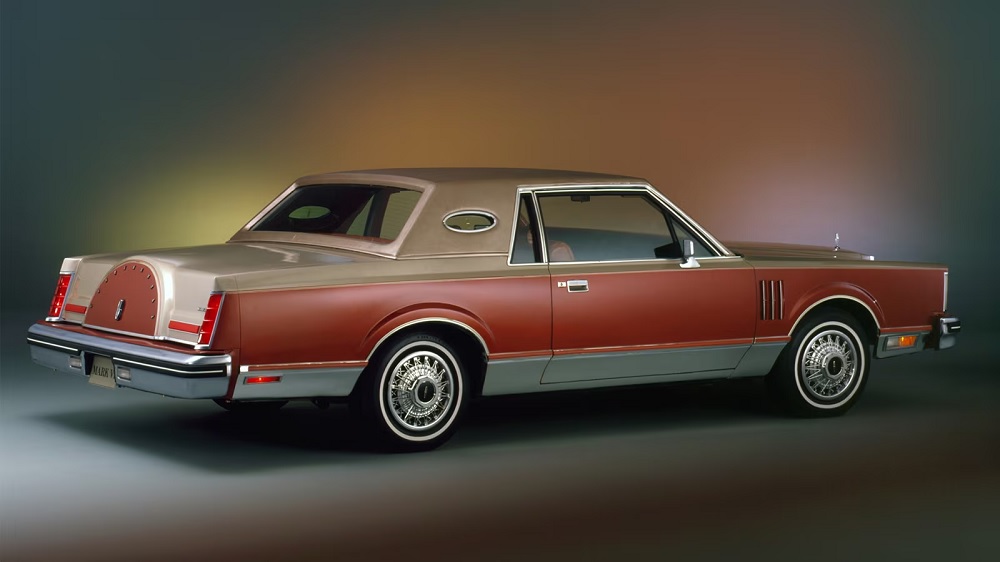
The Evolution and Future of Automobiles: A Journey of Innovation and Transformation
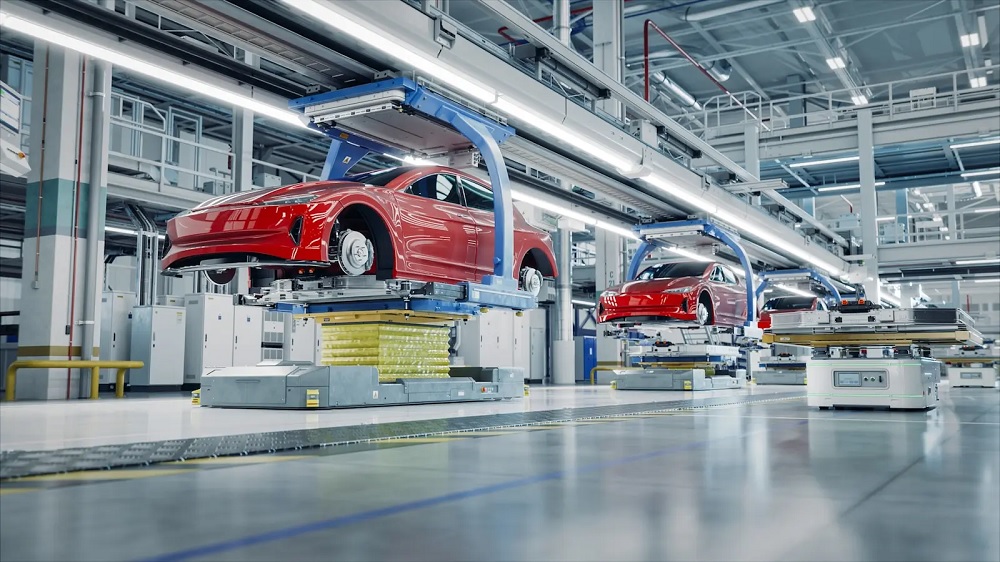
The automobile has evolved dramatically over the past century, revolutionizing how we perceive mobility. What started as a crude mechanism for transportation has blossomed into a sophisticated and essential part of modern life. From the Ford Model T to electric vehicles (EVs), the automotive industry has seen rapid advancements, shaping not only our daily routines but also the environment, economy, and culture. This article takes a deep dive into the evolution of automobiles, the current trends reshaping the industry, and the future of mobility.
The Birth of the Automobile: A Humble Beginning
The history of the automobile dates back to the late 19th century, with multiple inventors contributing to its development. However, it was Henry Ford’s mass production techniques that truly transformed the automobile from a luxury item into a widespread means of transportation. Ford’s introduction of the Model T in 1908 was a game-changer. It was affordable, reliable, and available in large quantities, making car ownership accessible to the masses. Ford’s assembly line approach revolutionized manufacturing, and the automobile became more than just a luxury for the rich—it became a staple of middle-class life.
While the early 20th century was marked by innovation in design and mass production, the focus was largely on making cars faster, more efficient, and more affordable. The rise of other major manufacturers, such as General Motors, Chrysler, and later Toyota, further cemented the automobile’s place in society.
The Golden Age of Automobiles: Post-War Boom and Cultural Significance
The period following World War II marked a golden age for the automobile industry. With the war behind them, consumers were eager to spend on new goods, and the car was the epitome of post-war affluence. The automobile became more than just a mode of transport; it symbolized freedom, independence, and the American dream.
Automobiles during the 1950s and 1960s featured bold designs, powerful engines, and luxury features that captured the imagination of the public. Iconic models like the Chevrolet Corvette, the Ford Mustang, and the Cadillac Eldorado became symbols of American culture, while European brands like Mercedes-Benz and Jaguar offered a sense of sophistication and refinement.
This era also saw the rise of road trips as a cultural pastime. The development of the interstate highway system in the United States, coupled with the increasing popularity of cars, made long-distance travel more accessible and desirable than ever before. The automobile industry, thus, not only shaped the economy but also significantly influenced social behaviors, fostering a sense of exploration and adventure.
The Crisis of Oil and the Environmental Awakening
As the 1970s rolled in, the automotive world faced a major turning point. The oil crisis of 1973, coupled with growing concerns over pollution and environmental degradation, exposed the vulnerabilities of the global automobile industry. Rising fuel prices and the increasing awareness of the environmental impact of gasoline-powered vehicles sparked a wave of change.
In response, automakers began developing smaller, more fuel-efficient cars. The introduction of compact vehicles such as the Toyota Corolla and the Volkswagen Golf catered to the demand for more economical options. Meanwhile, governments around the world began implementing stricter emissions regulations, pushing manufacturers toward innovations in engine efficiency and exhaust systems.
The environmental movement gained momentum, and the automobile industry found itself at a crossroads. Manufacturers had to balance consumer demands for performance and comfort with the need for sustainability and energy efficiency. This period marked the beginning of a long journey towards more environmentally conscious innovations.
The Rise of Electric Vehicles: A Green Revolution
In recent years, electric vehicles (EVs) have become the focal point of the automobile industry’s efforts to reduce its environmental footprint. While electric cars were initially introduced in the late 19th and early 20th centuries, it wasn’t until the 21st century that they began to gain serious traction. The introduction of the Tesla Roadster in 2008, followed by the more affordable Tesla Model S, was a game-changer. Tesla’s success demonstrated that electric cars could offer performance, luxury, and long-range capabilities, dispelling many of the myths surrounding EVs.
Simultaneously, established automakers like Nissan, BMW, and Chevrolet began to roll out their own electric models, including the Nissan Leaf and the Chevrolet Bolt. In response to consumer demand for greener alternatives, other manufacturers also started investing heavily in electric mobility, and government incentives, such as tax breaks and subsidies, encouraged adoption.
Today, electric vehicles are no longer considered niche products but are slowly becoming mainstream. Advances in battery technology, longer ranges, and faster charging infrastructure have made EVs a practical choice for many consumers. Moreover, the environmental benefits of electric vehicles—reduced greenhouse gas emissions, less reliance on fossil fuels, and quieter operation—have made them a vital part of the solution to combat climate change.
The Future of Automobiles: Autonomous Driving, AI, and Connectivity
The future of automobiles looks even more promising, with emerging technologies set to redefine the very concept of mobility. Autonomous vehicles, or self-driving cars, are perhaps the most talked-about advancement. While fully autonomous vehicles are not yet a reality, companies like Waymo (a subsidiary of Alphabet) and Tesla have made significant progress toward creating cars that can navigate without human intervention. These vehicles use a combination of sensors, cameras, and machine learning algorithms to perceive their environment and make decisions in real time.
The potential benefits of autonomous driving are vast. These cars could reduce accidents caused by human error, improve traffic flow, and provide greater independence for individuals who are unable to drive due to age or disability. Additionally, the integration of artificial intelligence (AI) could lead to more personalized and efficient driving experiences, where vehicles adjust to the preferences and needs of their occupants.
Furthermore, the rise of connected cars, which communicate with other vehicles, infrastructure, and even the cloud, is paving the way for smarter cities. These vehicles will be able to share information about road conditions, traffic patterns, and even potential hazards, leading to more efficient and safer transportation systems. The integration of internet connectivity within vehicles also means that cars will become increasingly equipped with features like entertainment systems, real-time navigation, and remote diagnostics.
Conclusion: A Journey of Innovation
The automobile has come a long way since its inception, and its evolution continues at a rapid pace. From the early days of the Model T to the rise of electric vehicles and autonomous driving, the automotive industry has consistently pushed the boundaries of technology and innovation. As we look to the future, it is clear that the automobile will continue to play a central role in shaping society, economy, and culture.
The future of the automobile promises to be greener, safer, and more connected, offering a vision of mobility that is more sustainable and efficient than ever before. While challenges remain—particularly in terms of infrastructure, affordability, and regulatory issues—the journey of the automobile is far from over. It is an ongoing narrative of innovation, adaptation, and transformation, one that will undoubtedly continue to influence how we live and move in the decades to come.