How WPT Power Corporation Is Reshaping Mechanical Transmission Reliability
Key Takeaways
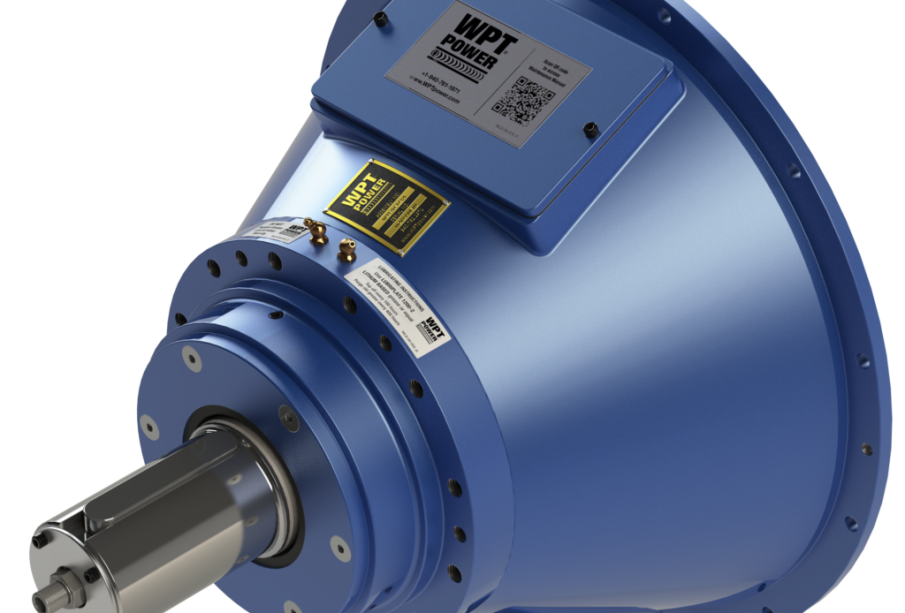
Power take-offs (PTOs) are fundamental in the realm of mechanical power transmission. They connect engines with auxiliary equipment, boosting operational efficiency across a multitude of applications.
These PTOs adapt seamlessly to diverse industries, such as agriculture, construction, and transportation, facilitating the deployment of various tools and equipment that elevate productivity.
The clutch solutions offered by WPT Power Corporation are designed to guarantee operational stability, delivering performance characteristics tailored for both light and heavy-duty applications.
In practical settings, businesses using WPT clutches have noted efficiency enhancements of up to 30%, not to mention considerable drops in maintenance costs as a result of heightened performance and reliability.
WPT’s braking technologies — encompassing hydraulic, electric, and pneumatic systems — adhere to strict safety standards, ensuring dependable operations in demanding industrial environments.
Looking forward, the evolution of mechanical power transmission will likely be influenced by digitalization and automation, with smart PTOs and clutches boosting functionality and enabling predictive maintenance.
WPT Power Corporation stays committed to innovation, vowing to provide products that incorporate advanced technology to maximize efficiency while adapting to industry challenges.
Maximizing Efficiency: The Role of Power Take-Offs in Industry
Understanding How Power Take-Offs Drive Performance
Power take-offs (PTOs) stand as a pivotal element within the mechanical power transmission sphere, functioning as a vital connection between engines and auxiliary equipment. They transfer power from the engine to multiple attachments, securing efficiency in utilitarian situations. Depending on specific tasks, PTOs tackle a variety of functions, from driving hydraulic pumps to powering compressors and generators.
A closer examination reveals that power take-offs enhance operational versatility. Often engineered for optimal compatibility with various machinery, PTOs cater adeptly to the diverse demands of both agricultural and industrial equipment. This flexibility proves essential in today’s fast-paced landscape, where companies strive to elevate productivity.
Moreover, relentless technological advancements continue to redefine PTO functionalities. The introduction of new materials and designs not only boosts durability but also enhances performance characteristics. Reports from clients indicate a marked increase in operational performance when leveraging cutting-edge PTO innovations.
Key Applications of Power Take-Offs in Various Sectors
PTOs have established themselves across numerous industries, affirming their role as a cornerstone in mechanical power transmission. Here are some key sectors where they make a significant impact:
- Agriculture: In this sector, PTOs are essential for powering implements such as tillers, seeders, and irrigation pumps. Their contribution is immense, facilitating the attachment of various tools to improve farming efficiency.
- Construction: Construction machinery relies on PTOs to operate hydraulic systems crucial for cranes and excavators, enabling the precise movement of hefty materials.
- Transportation: Commercial vehicles utilize PTOs to manage lift gates or power hydraulic systems necessary for various freight-related tasks.
Across these sectors, PTOs showcase not only their versatility but also their vital importance, forming the backbone that supports an array of machinery and applications.
Establishing Reliability: WPT’s Innovative Clutch Solutions
How WPT Clutches Enhance Operational Stability
WPT Power Corporation distinguishes itself in providing innovative clutch solutions that ensure reliable mechanical system performance. These clutches extend beyond simply engaging and disengaging power; they offer the consistency that machinery needs to operate at its best. Ineffective clutches can lead to problems like erratic movement, decreased efficiency, and accelerated wear.
Industry experts emphasize that WPT clutches ensure operational stability across diverse applications. They blend cutting-edge engineering with high-quality materials, resulting in outstanding performance characteristics. Typically, these clutches boast enhanced thermal management and increased torque capacity, accommodating both light and heavy-duty applications.
A thorough understanding of various operational environments informs the design of these clutches. Different industries experience unique challenges, and WPT stays attuned to these details, crafting clutch solutions designed to endure harsh conditions and high-stress scenarios. High performance is non-negotiable.
Real-World Success Stories: Clutch Solutions in Action
Exploring real-world examples reveals the impressive impact of WPT’s clutch solutions. For instance, a mining company experienced a 30% efficiency boost after transitioning to WPT’s clutch systems. This upgrade minimized downtime from mechanical failures, illustrating how a simple switch can lead to considerable operational advancements.
Similarly, a construction company struggling with frequent equipment failures due to subpar clutches saw a dramatic drop in maintenance costs after adopting WPT’s tailored clutch solutions. The equipment lifespan also improved, showcasing the strategy’s effectiveness.
“Confidence in clutch performance directly correlates with improved efficiency across all operations.”
Testimonials like these underscore WPT’s unwavering commitment to quality and innovation in clutch manufacturing, solidifying its status as an industry leader.
Ensuring Safety and Control: The Importance of Industrial Brakes
Braking Technologies That Meet Industry Standards
In industrial settings, safety is paramount, and this is where braking systems become essential. The right braking technology significantly enhances safety, giving operators control over heavy machinery. WPT’s braking solutions are meticulously designed to meet demanding industry standards while ensuring reliability.
From hydraulic brakes to their electric counterparts, WPT provides a comprehensive range of solutions. Each category of braking technology showcases its distinct advantages, catering to the diverse needs present in various applications:
- Hydraulic brakes: These are perfect for applications requiring substantial stopping power. Their design promotes smoother operations, reducing wear.
- Electric brakes: With quicker engagement and response times, these brakes excel in scenarios where immediate stopping is crucial.
- Pneumatic brakes: Common in commercial vehicles, they utilize air pressure to engage brakes, ensuring dependable performance.
Each solution undergoes rigorous testing to withstand the array of industry challenges, reinforcing the necessity for manufacturers not just to comply with safety regulations but to exceed them. Having trusted braking systems is essential for operators, especially in high-pressure situations.
Best Practices for Implementing Brake Systems
Creating effective brake systems requires meticulous planning and consideration. Here are some essential best practices to remember:
- Regular Maintenance: Routine inspections guarantee that brakes function correctly, identifying potential failures before they become serious issues.
- Operator Training: Training operators on the proper use of brakes can mitigate misapplications, ensuring brakes are engaged correctly for maximum safety.
- Monitoring Performance: Utilizing diagnostic tools aids in tracking brake system performance, enabling informed decisions concerning maintenance or upgrades.
By focusing on these vital aspects, businesses can protect not only their equipment but also their workforce. Thoughtful brake implementation fosters a culture of safety and reliability.
Future Trends in Mechanical Power Transmission Equipment
Emerging Technologies Shaping the Next Generation of Power Systems
The mechanical power transmission landscape is undergoing rapid evolution, continuously influenced by new technologies. Digitalization and automation are creating buzz, notably impacting system design and functionality. Thanks to advancements in smart sensors and IoT integration, machinery can share data in real time, optimizing performance and anticipating maintenance requirements.
These innovations signify the onset of a model shift. For instance, smart PTOs and clutches are becoming increasingly mainstream. They enhance traditional roles while aiding in diagnostics and troubleshooting, fostering a shift from reactive to proactive maintenance.
“The future of mechanical power transmission is being defined by connectivity and automation.”
Looking to the future, a blend of these technological advancements will prove crucial in maintaining a competitive edge for businesses spanning various industries.
What Industries Can Expect from WPT Power Corp.
As WPT Power Corporation forges ahead with its innovations, industries can look forward to exciting developments and improved efficiencies. Newly launched products that incorporate smart technology are set to revolutionize traditional machinery, transforming them into intelligent systems that adapt to environmental conditions while optimizing efficiency.
Clients can anticipate solutions that harmonize innovative design with practical functionality, adhering to WPT’s guiding principles: quality, performance, and reliability. Across sectors, from agriculture to transportation, great benefits are on the horizon as WPT introduces its latest products to the market.
In a landscape full of challenges, WPT’s dedication to innovation ensures clients are prepared for not only today’s hurdles but also future complexities. The straightforward goal remains: drive performance, improve outcomes, and foster a safer work environment.
Ultimately, as the industry navigates through transformations and advancements, WPT Power Corporation stands firm at the forefront, offering solutions that promote industry efficiency and excellence.
FAQ
What role do smart technology and IoT play in the future of PTO systems?
Smart technology and IoT integration are poised to revolutionize PTO systems. They facilitate real-time monitoring and diagnostics, leading to more efficient operations and proactive maintenance strategies that minimize downtime.
How do WPT’s clutches compare with competitors in performance?
Designed for superior thermal management and torque capacity, WPT’s clutches typically outperform competitors. These attributes result in enhanced reliability and efficiency, making them a preferred choice for high-demand applications.
What innovations should businesses expect from WPT in the upcoming years?
WPT aims to unveil products incorporating advanced digital features. Anticipated innovations might include sophisticated smart PTOs and clutches designed for adaptive performance, addressing the evolving needs of various industries.
How can companies maximize the efficiency of their current mechanical power transmission systems?
To enhance efficiency, companies need to routinely assess their systems for wear and overall operational efficiency. Regular maintenance, upgrading to advanced components like those from WPT, and investing in operator training are crucial steps.
Are there specific safety standards that WPT’s braking technologies comply with?
Indeed, WPT’s braking technologies meet rigorous industry standards. Each braking system is thoroughly tested to ensure not just compliance but also superior safety performance in high-pressure environments.
Can the implementation of smart PTOs reduce operational costs?
Certainly. Adopting smart PTOs can yield substantial cost savings through improved efficiency, minimized downtime, and lower maintenance costs. With predictive capabilities, these systems can help avert costly failures before they arise.
How does WPT ensure its products are adaptable across various industries?
WPT commits significant resources to research and development, creating components that not only meet but exceed the specific demands of different sectors. By staying aligned with industry specifics, they ensure adaptability for applications ranging from agriculture to transportation.
What type of training should operators receive for optimal use of WPT’s systems?
Operators ought to receive training concentrated on the correct operation and maintenance of WPT systems. Prioritizing safety protocols, operational parameters, and troubleshooting techniques can significantly boost both performance and workplace safety.
Useful Resources
- American Society of Mechanical Engineers (ASME)
- Association of Independent Manufacturers and Manufacturers Representatives (AIMM)
- Industrial Heating Magazine
- Society of Automotive Engineers (SAE)
- National Fluid Power Association (NFPA)
- Industrial Safety & Hygiene News (ISHN)
- Machinery Lubrication Magazine
- Techstreet: Standards and Regulations
- Future of Industry: Trends and Insights