Organic Pest Control Methods for a Safe and Healthy Garden
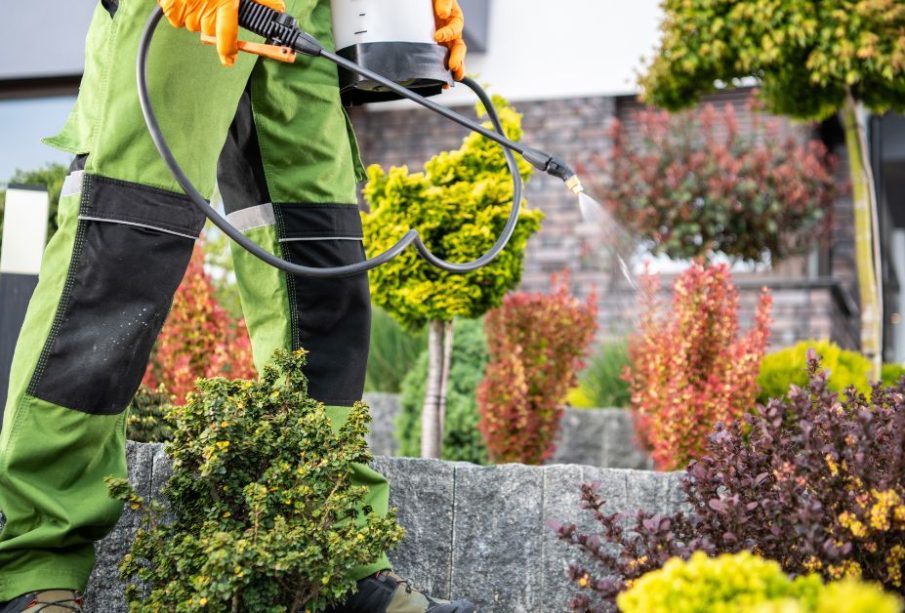
Nurturing a backyard garden provides a deeply satisfying connection to nature, yielding fresh vegetables, aromatic herbs, and vibrant floral displays. However, every gardener eventually faces the inevitable challenge of unwanted pests. When aphids colonize your prized tomato plants or slugs decimate your fresh lettuce overnight, the immediate temptation is to reach for a bottle of synthetic chemical pesticide.
While chemical sprays offer a quick fix, they often create a destructive cycle. Synthetic pesticides are typically non-selective, meaning they kill beneficial predatory insects alongside the destructive ones. Over time, this disrupts the delicate balance of your garden ecosystem, leading to pest resurgences, soil degradation, and potential chemical exposure for your family and pets.
Embracing organic pest control is about adopting an ecological mindset. Instead of aiming for total eradication, organic gardening focuses on management and balance. By understanding insect lifecycles, using nature’s own defenses, and building healthy soil, you can maintain a thriving garden that naturally resists infestations. Below is a comprehensive look at the most effective organic pest control methods to keep your garden safe, productive, and healthy.
1. The Foundation of Defense: Building Robust Soil and Plants
The primary line of defense against any garden pest starts long before an insect ever lands on a leaf. In the natural world, pests are evolutionary cleanup crews; they are specifically drawn to weak, stressed, or dying vegetation. A healthy, vigorous plant possesses its own complex chemical defense mechanisms that can deter or even actively repel feeding insects.
To build this natural resistance, you must focus heavily on the health of your soil, which serves as the biological engine for plant vitality.
Strategies for Maximizing Plant Health
-
Amend with Organic Matter: Incorporate high-quality compost, aged manure, or leaf mold into your soil annually. This populates the subterranean ecosystem with beneficial microbes and provides slow-release nutrients.
-
Practice Crop Rotation: Avoid planting species from the same botanical family in the identical soil patch year after year. Rotation breaks the lifecycle of soil-borne pests and prevents localized nutrient depletion.
-
Manage Water Wisely: Water plants deeply at the base early in the morning rather than frequent, shallow overhead spraying. Damp foliage overnight creates a breeding ground for fungal pathogens and attracts nocturnal pests like slugs.
-
Select Resistant Varieties: When buying seeds or starters, look for varieties explicitly bred to resist common localized pests and diseases.
2. Biological Warfare: Enlisting Beneficial Insects
One of the most sustainable ways to control destructive pests is to let nature do the heavy lifting. Your garden is home to a complex food web. For every pest that damages your crops, there is a predatory insect or parasite looking to eat it.
By actively inviting and hosting these beneficial insects, you establish a self-regulating pest management team that works around the clock.
Meet the Garden Protectors
-
Ladybugs and Lacewings: Both are voracious predators in their larval and adult stages. A single ladybug can consume thousands of aphids, mites, and scale insects during its lifetime.
-
Hoverflies: The larvae of hoverflies are highly efficient aphid hunters, while the adults act as excellent pollinators.
-
Praying Mantises: These large insects are opportunistic ambush predators that consume a wide variety of larger garden pests, including beetles and caterpillars.
-
Parasitic Wasps: These tiny, non-stinging wasps lay their eggs inside or on target pests like the destructive tomato hornworm. The emerging larvae consume the pest from the inside out, effectively ending the infestation.
Attracting Beneficial Insects to Your Yard
To keep these helpful predators in your garden, you must provide them with adequate food and shelter. Plant an array of small-flowered herbs and flowers such as dill, fennel, yarrow, sweet alyssum, and marigolds. These plants provide necessary nectar and pollen for adult predators. Most importantly, you must tolerate a small population of pests; if you eradicate every single aphid, the beneficial predators will leave in search of food.
3. Physical Barriers and Mechanical Controls
Physical controls involve placing a physical obstacle between the pest and the plant, or manually removing the intruders. These methods are highly targeted, leave absolutely no chemical residue, and are incredibly effective for small-scale home gardens.
Implementing Physical Protections
-
Floating Row Covers: Lightweight, spun-bond polyester fabrics can be draped directly over crops or supported by hoops. They allow light, air, and water to pass through perfectly while completely blocking flying insects like cabbage moths and cucumber beetles from laying eggs.
-
Copper Tape Barriers: Slugs and snails receive a mild, unpleasant elektro-chemical reaction when their slime comes into contact with copper. Wrapping copper tape around the rims of containers or raised beds creates a highly effective boundary.
-
Collars for Cutworms: Cutworms destroy young seedlings by chewing completely through the stem at soil level. Placing a simple cardboard tube, like a toilet paper roll, around the base of a newly transplanted seedling prevents the worm from wrapping around the stem.
-
Handpicking: For larger pests like Japanese beetles, squash bugs, and hornworms, simply walking through your garden with a bucket of soapy water and plucking them off by hand remains one of the fastest ways to halt damage.
4. Organic Sprays and Natural Botanical Remedies
When an infestation bypasses your preventative measures and threatens the survival of a crop, you can utilize organic sprays derived from natural sources. While these are significantly safer for the environment than synthetic chemicals, they should still be used judiciously, as some can affect beneficial insects if applied incorrectly.
Top Homemade and Botanical Solutions
-
Neem Oil: Derived from the seeds of the neem tree, this organic powerhouse contains azadirachtin. It acts as an insect growth regulator, disrupting the feeding and hormonal systems of soft-bodied insects like aphids, whiteflies, and spider mites without harming earthworms.
-
Insecticidal Soaps: Formulated from potassium fatty acids, these soaps break down the outer waxy protective coating of soft-bodied pests, causing them to dehydrate rapidly. You can make a basic version using a few teaspoons of pure castile soap mixed into a gallon of water.
-
Horticultural Oils: These petroleum-based or vegetable-based oils are sprayed onto fruit trees and woody shrubs during the dormant season. The oil suffocates overwintering pest eggs, scale insects, and mites before they hatch in the spring.
-
Garlic and Chili Sprays: Blending raw garlic and hot peppers with water creates a highly pungent topical spray. While it does not kill insects, the intense scent and taste act as a powerful deterrent for both chewing insects and larger foraging mammals.
To protect bees and other vital pollinators, always apply these organic sprays during the late evening hours when pollinators are no longer active, and avoid spraying open blossoms directly.
5. Companion Planting for Pest Deterrence
Companion planting is the practice of growing specific plants near each other to maximize mutual benefits, such as structural support, nutrient sharing, and pest management. Certain plants produce strong aromatic compounds that confuse pests, masking the scent of the target crop, or actively repelling them altogether.
Classic Companion Combinations
-
Marigolds with Almost Anything: Marigolds produce a strong scent that deters many airborne pests, and their roots exude a chemical compound that suppresses destructive root-knot nematodes in the soil.
-
Basil and Tomatoes: Basil is an excellent culinary companion, but in the garden, its intense aroma helps repel thrips, hornworms, and flies from neighboring tomato vines.
-
Nasturtiums as Trap Crops: Nasturtiums are highly attractive to aphids and caterpillars. By planting them a short distance away from your vegetable beds, you can use them as a sacrificial trap crop, drawing the pests away from your valuable produce.
-
Onions and Garlic with Carrots: The potent sulfuric odor of members of the allium family thoroughly confuses the carrot rust fly, protecting your root crops from tunneling damage.
6. Utilizing Diatomaceous Earth and Microbial Controls
For persistent crawling insects and soil-dwelling pests, gardeners can turn to mineral and microbial solutions that target specific pests without altering the overall chemical composition of the garden.
Diatomaceous Earth
Diatomaceous earth is a fine powder made from the fossilized remains of microscopic aquatic organisms called diatoms. To human hands, it feels like soft powder, but under a microscope, the particles are razor-sharp. When crawling insects like ants, earwigs, or beetles walk through the powder, it scores their outer exoskeleton, leading to dehydration. Always use food-grade diatomaceous earth and apply it to dry surfaces, as water temporarily neutralizes its mechanical effectiveness.
Bacillus Thuringiensis
Commonly known as Bt, this naturally occurring soil bacterium is a highly specific organic larvicide. Different strains target different pest families. For instance, the Kurstaki strain targets only caterpillars, such as the cabbage looper. When the caterpillar eats a leaf treated with Bt, the bacterium paralyzes its digestive system, causing it to stop feeding immediately. Because it only activates inside the highly alkaline gut of specific larvae, it is completely harmless to humans, birds, and adult honeybees.
7. Companion Plant Selection Matrix
To help plan your garden layout for maximum natural protection, consider this structured reference layout pairing common vegetables with their optimal organic companions and the pests they help manage:
| Target Vegetable | Strategic Companion | Primary Pest Deterred |
| Tomatoes | Basil, Marigolds | Hornworms, Thrips, Nematodes |
| Cabbage / Kale | Thyme, Mint | Cabbage Moths, Flea Beetles |
| Carrots | Rosemary, Chives | Carrot Rust Flies |
| Cucumbers | Radishes, Nasturtiums | Cucumber Beetles |
| Potatoes | Horseradish, Bush Beans | Colorado Potato Beetles |
| Squash / Zucchini | Catnip, Radishes | Squash Bugs |
Frequently Asked Questions
What are root-knot nematodes and how do I manage them organically?
Root-knot nematodes are microscopic, parasitic roundworms that live in the soil and feed on plant roots, causing swellings or galls that disrupt nutrient uptake. You can manage them organically by rotating crops, incorporating large amounts of organic compost to encourage predatory soil fungi, and growing cover crops of French marigolds or cereal rye, which exude compounds toxic to the larvae.
Can baking soda be used as an effective organic pest control method?
Baking soda does not directly kill insects, but it is an effective organic remedy for fungal pests like powdery mildew. When mixed with water and a tiny bit of liquid soap, baking soda alters the pH level on the surface of the plant leaf, making it difficult for fungal spores to attach, germinate, and spread throughout your vegetable crop.
Is it safe to use dish soap from my kitchen sink to make insecticidal spray?
It is generally better to avoid standard dish soaps, as many contain synthetic detergents, degreasers, artificial fragrances, and chemical colorants that can strip the protective waxy cuticle layer off your plant leaves, causing severe chemical burns. Instead, look for pure, vegetable-based soaps like liquid castile soap, which are entirely safe for botanical applications.
How do I control fungus gnats in my indoor potted plants organically?
Indoor fungus gnats lay their eggs in the top layer of damp potting soil. You can control them by allowing the top two inches of soil to dry out completely between waterings, which kills the larvae. Additionally, applying a drench containing Bacillus thuringiensis israelensis, a bacterium that specifically targets gnat and mosquito larvae, will quickly clear up the infestation.
What is a trap crop and how exactly does it function in a garden?
A trap crop is a specific plant variety that is deliberately grown to attract pests away from your main cash crops or valued vegetables. Pests naturally prefer the trap crop over your other plants. Once the pests congregate heavily on the sacrificial trap crop, you can safely remove the insect-heavy plant from your garden or treat it directly with organic sprays.
Will heavy rain wash away all my organic pest control applications?
Yes, rain will wash away most topical organic treatments, including insecticidal soaps, neem oil sprays, garlic infusions, and diatomaceous earth. After a heavy downpour, you must allow your plants to dry completely before reapplying these organic remedies to ensure they continue providing adequate protection against foraging insects.
Can solarization help eliminate persistent soil pests before planting?
Yes, soil solarization is an excellent organic technique for clearing out severe soil-borne pests, weed seeds, and pathogens. It involves clearing an area of debris, thoroughly wetting the soil, and covering it tightly with a clear plastic tarp during the peak heat of summer for four to six weeks. The trapped solar energy heats the soil to temperatures high enough to pasteurize the upper layers.