Beyond Concrete: How Epoxy Transforms Your Commercial Space From Functional To Flawless
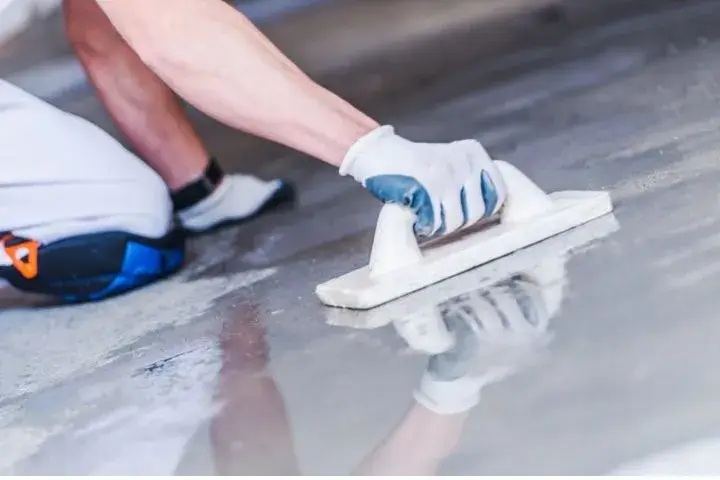
Why Commercial Epoxy Flooring is the Ultimate Choice for Durability
Unmatched Strength: The Science Behind Epoxy Resilience
Commercial epoxy flooring is renowned for its unmatched durability, making it the go-to choice for various businesses and industries that demand high-performance flooring solutions. At its core, epoxy is a thermosetting resin, composed of two primary components: resin and hardener. When these two substances are mixed, a chemical reaction occurs, resulting in a robust, hard substance that can withstand heavy loads, impacts, and abrasions like no other material. This extraordinary strength is quantified through the tensile and compressive strength ratings, with epoxy often rated higher than concrete and other common flooring materials. The resulting surface not only resists chips and cracks but is also impervious to various corrosive substances, making it ideal for environments such as warehouses, manufacturing plants, and laboratories. Moreover, the seamless nature of epoxy minimizes the risk of contamination and enhances cleanliness, providing businesses with hygienic solutions that are essential for food processing or healthcare facilities alike.
From Humble Beginnings: The Evolution of Epoxy Flooring Solutions
Epoxy flooring has undergone a significant evolution since its inception in the mid-20th century. Originally used in industrial and commercial applications due to its utilitarian nature, advancements in technology and formulation have allowed epoxy systems to diversify and expand vastly. Early versions were primarily grey, dull, and often considered utilitarian without appeal. However, over the decades, the development of new epoxy formulations and additives has enabled an array of colors, textures, and designs that cater to an increasingly discerning clientele. The adoption of decorative metallic pigments, quartz aggregates, and flexible polyaspartic coatings has transformed how these floors look and perform. Today, a commercial epoxy floor coating is not only about functionality but also plays a significant role in design aesthetics, allowing businesses to reflect their brand identity through their flooring choices.
Why Cost-Effectiveness Makes Epoxy the Smartest Investment
Beyond its durability and aesthetic appeal, commercial epoxy flooring presents a compelling case in terms of cost-effectiveness. While the upfront installation costs may be higher compared to traditional flooring options like vinyl or tiles, the long-term savings are substantial. Epoxy floors can last up to 20 years or more with proper maintenance, drastically reducing the need for frequent replacements or repairs. Additionally, the low maintenance requirements, which include simple routine cleaning and infrequent refinishing, factor into considerable cost savings over time. Businesses can also benefit from reduced downtime during installation; epoxy floors cure relatively quickly, allowing for a faster return to normal operations. Furthermore, the resilience of epoxy against stains, chemicals, and moisture ensures that it remains visually appealing and functional without the exorbitant costs associated with regular maintenance that other flooring types require, ultimately positioning epoxy as a financially savvy investment for commercial enterprises.
Transformative Aesthetics: Elevating Your Space with Style
Color it Your Way: Customization Options to Reflect Your Brand
One of the most appealing aspects of commercial epoxy flooring is the extensive range of customization options it offers. Businesses can select from an array of colors, patterns, and finishes that align with their branding and enhance the overall aesthetic of their space. The versatility of epoxy allows for endless design possibilities, ensuring that every floor can be uniquely tailored to meet the specific needs and vision of the company. For instance, using brand colors as a guide, companies can create a cohesive visual identity that resonates with clients and enhances the customer experience. This customization not only impresses clients but can also boost employee morale by creating an inspiring working environment. Furthermore, unique design elements like logos embedded into the flooring or the use of vibrant hues to delineate different areas can also contribute to improved safety and navigation within large commercial spaces, highlighting the functional benefits beyond mere appearance.
Shine Bright: The Visual Impact of High-Gloss Finishes
The visual impact of high-gloss epoxy finishes cannot be overstated. These finishes not only enhance the beauty of the floor but also contribute to the overall lighting of the space by reflecting light and making environments feel larger and more open. High-gloss finishes are particularly favored in retail environments, showrooms, and upscale restaurants, where the aesthetic appeal significantly influences consumer behavior. This reflective quality elevates the perceived value of the space, giving the impression of luxury and professionalism. High-gloss finishes are also specific to utilitarian settings where illumination is paramount, such as in laboratories and production facilities, where better visibility can lead to increased safety and efficiency. The ease of cleaning these high-gloss surfaces further adds to their practicality, as they are less likely to retain dirt and grime than their matte counterparts, thus simplifying maintenance routines.
Patterns and Textures: Making a Statement with Design
Utilizing patterns and textures in epoxy flooring transforms it from a mere functional surface to a stunning design element. The ability to integrate textures such as slip-resistant finishes and decorative vinyl chips enhances safety while providing an opportunity to make a bold design statement. For instance, incorporating geometric patterns can create visual delineations that guide foot traffic or showcase specific areas within a larger space, an invaluable feature in expansive commercial environments. Moreover, textures can influence the tactile experience, making environments like restaurants or shops more engaging for visitors. The layering of textures can also offer fluctuations in light reflection, contributing further to the dynamics of space. Overall, the combination of patterns and textures not only enhances the aesthetic appeal but deeply influences space functionality, safety, and user experience.
Application 101: Essential Tips for a Flawless Epoxy Finish
Preparing Your Floor: The Key to a Long-Lasting Installation
The success of an epoxy flooring application heavily relies on the preparation stage prior to installation. A well-prepared substrate ensures proper adhesion, longevity, and overall performance of the epoxy layer. This step begins with removing any existing flooring and thoroughly cleaning the concrete surface to eliminate dust, grease, and moisture achieved through grinding, shot blasting, or diamond grinding techniques. Moisture levels must also be tested because excessive moisture can lead to installation failure, resulting in peeling or bubbling of the epoxy. After assessing the surface for cracks or imperfections, it is critical to fill and repair any damages to create a uniform substrate that is free of any contaminants. By dedicating time and effort to prepare the floor adequately, the post-installation experience can shift from frequent repairs and replacements to a durable, long-lasting aesthetic solution.
Choosing the Right Epoxy: Different Types for Different Needs
With several types of epoxy flooring systems available, selecting the right one tailored to your specific application is essential. The types include self-leveling, epoxy mortar, flake, and decorative quartz systems, each serving different needs based on functionality and appearance. Self-leveling epoxy, ideal for repairing damaged concrete, provides a smooth and level surface ideal for general use in commercial spaces. On the other hand, epoxy mortar systems consist of a mix of epoxy resins and aggregates, capable of standing up to significant wear and tear, making them perfect for heavy-duty applications such as factories or warehouses. Furthermore, decorative flake and quartz systems provide aesthetic appeal while enhancing slip resistance, making them suitable for retail environments and service areas. Consulting with industry professionals on which type of epoxy suits your particular environment can save you headaches down the line, ensuring you choose a product that meets both functional and aesthetic requirements.
DIY vs. Professional: Navigating Your Installation Options
When considering the installation of epoxy flooring, businesses often face the dilemma of choosing between a DIY approach or hiring professional contractors. While taking the DIY route may seem cost-effective initially, it requires thorough preparation, proper product selection, and expertise to ensure the installation is successful. A common pitfall in DIY installations is insufficient surface preparation, leading to poor adhesion and a subpar finish. Additionally, professionals bring extensive experience and skills, ensuring that various factors such as ambient temperature, curing times, and mixing ratios are carefully managed. While there may be upfront costs associated with hiring professionals, the longevity and quality of the installation often justify the investment, leading to reduced maintenance costs and a flawless finish. Assessing one’s capabilities realistically and considering long-term value should guide this decision-making process.
Maintenance Made Easy: Keeping Your Epoxy Floors Pristine
Cleansing Rituals: Routine Care Tips to Maintain Luster
Maintaining the pristine condition of your epoxy flooring doesn’t need to be a cumbersome task; simple, routine care can keep surfaces looking new for years. Regular sweeping or dry mopping to remove dust and debris prevents surface scratches, while damp mopping with a mild detergent solution will keep the floors looking pristine. Additionally, it’s important to use soft cleaning tools to avoid abrasions. Selecting the right cleaning products is also crucial; harsh chemicals can damage the epoxy surface. Following the manufacturer’s recommendations ensures that products used do not compromise the integrity of the coating. For areas with higher foot traffic or exposure to grease and chemicals, implementing a more frequent cleaning schedule can maintain the floor’s appearance and hygiene, further contributing to a safer workplace.
Repairing Minor Damage: Keeping Your Floor in Top Shape
Even the most durable flooring can experience minor damage over time. Fortunately, repairing such issues, including chips, scratches, or dents, can often be a simple and straightforward process. Identifying damage early is key to preventing further deterioration. Repair kits specifically designed for epoxy floors are available, containing everything needed to patch small areas effectively. Typically, this will involve thoroughly cleaning the damaged area, applying the epoxy filler, and allowing it to cure according to manufacturer guidelines. Instructions vary depending on the product, but ensuring the area is well-prepped will lead to seamless repairs. This proactive approach not only extends the life of the epoxy flooring but also keeps it visually appealing, enhancing the overall professionalism of your commercial space.
Longevity Secrets: How to Extend the Life of Your Epoxy Floor
To maximize the longevity of your epoxy flooring, several best practices should be followed. First and foremost, controlling the environmental conditions plays a significant role; maintaining consistent temperatures and low humidity can aid in preventing unnecessary stress on the floor. Additionally, consider implementing a protective layer on high-traffic areas or entrances, as mats will capture dirt before it reaches the epoxy surface. Regularly inspect the floor for wear and tear, as early identification of issues paired with immediate corrective actions will prevent more expensive repairs in the long run. Finally, avoiding high-impact activity during the initial curing phase can allow the epoxy to set correctly, enhancing its durability. Together, these practices will ensure that your floor remains resilient, functional, and visually appealing for years to come.
FAQ
Question: What types of businesses benefit most from epoxy flooring? – Epoxy flooring is ideal for a variety of businesses, including warehouses, retail spaces, manufacturing plants, restaurants, and healthcare facilities, where durability, hygiene, and aesthetic appeal are critical.
Question: Can epoxy flooring be installed over existing floors? – While it’s possible to install epoxy over certain existing floors, it’s essential to ensure the surface is compatible and adequately prepared to achieve the best results and avoid future complications.
Question: How long does it typically take for epoxy flooring to cure completely? – Depending on the specific type of epoxy used and environmental conditions, curing can take anywhere from 24 to 72 hours, with some heavy-duty systems taking longer to reach full durability.
Question: What should I do if my epoxy floor becomes stained or discolored? – Most stains can be cleaned with mild detergents and soft cloths. For tougher stains, specific cleaning agents designed for epoxy may be necessary; however, severe discoloration may require professional re-coating or refinishing.
Question: Is epoxy flooring resistant to heat and chemicals? – Yes, epoxy flooring is generally resistant to heat and chemicals, making it an excellent choice for environments exposed to spills, high temperatures, or harsh cleaning agents, though the degree of resistance may vary by formulation.
Question: Are there any eco-friendly options for epoxy flooring? – Yes, some manufacturers offer eco-friendly epoxy formulations that contain lower levels of volatile organic compounds (VOCs), making them more environmentally friendly while still providing the benefits of traditional epoxy.
Question: How does one choose between different epoxy flooring types? – The choice depends on factors such as the intended use of the space, traffic levels, exposure to chemicals, and aesthetic preferences. Consulting with a flooring professional can help in selecting the right type for your specific needs.
Question: Can I customize the look of my epoxy flooring? – Absolutely! Epoxy flooring offers a range of customization options, including different colors, patterns, textures, and finishes that can be tailored to reflect your brand identity and enhance the aesthetics of your space.
Useful Resources
- Epoxy School – Offers detailed educational resources about epoxy flooring, including installation tips and maintenance advice.
- The Flooring Lady – Provides information on various flooring types, including commercial epoxy flooring, and guides for proper care and installation.
- Bona – While primarily focused on hardwood, they provide valuable insights into floor maintenance and eco-friendly practices.
- Angie’s List – A trustworthy source for finding professional contractors and industry reviews, helpful for those considering professional installation.
- NFIB – Offers resources on managing small business operations, including flooring cost-effectiveness and maintenance strategies.
- University of North Texas – Provides educational materials related to construction, materials science, and flooring technologies.
- ScienceDirect – Access to research papers and articles on the latest developments in epoxy materials and flooring technology.
- FM Link – Delivers a wide range of articles and insights on facility management, including flooring solutions and maintenance best practices.