Rooted Beauty: How Thoughtful Outdoor Design Shapes Everyday Living Spaces
Why Outdoor Spaces Matter More Than Ever
Outdoor areas have become an extension of daily life in ways that were not always as noticeable in the past. People now use their yards for relaxation, social gatherings, gardening, and even remote work setups. This shift has made thoughtful outdoor design more important than simple curb appeal. A well-maintained landscape can influence mood, functionality, and even how a home is perceived overall.
The process of shaping these spaces involves more than just planting flowers or trimming hedges. It requires planning, seasonal awareness, and a balance between aesthetics and practicality. When done well, outdoor environments feel natural, comfortable, and easy to maintain. This is where professional support often becomes valuable for homeowners looking to elevate their surroundings without adding unnecessary stress.
The connection between outdoor design and lifestyle
A well-designed yard often reflects the lifestyle of the people living in the home. For some, that means open grassy areas for children or pets. For others, it may involve quiet garden corners or structured entertaining spaces. The design choices made in these areas directly influence how the space is used on a daily basis.
There is also a psychological benefit tied to well-kept outdoor environments. Studies have shown that exposure to green spaces can reduce stress and improve overall well-being. Even small improvements like better plant placement or clean walkways can create a more calming atmosphere. These effects are part of why homeowners increasingly invest in their outdoor environments.
The role of professional landscaping in modern property care
Maintaining a yard consistently takes time, knowledge, and seasonal awareness. Many homeowners find it difficult to keep up with changing weather patterns, soil conditions, and plant health requirements. Professional support helps bridge that gap by providing structure and long-term planning. This allows outdoor spaces to remain healthy and visually appealing throughout the year.
Working with experts also reduces the trial-and-error approach that often comes with DIY maintenance. Instead of guessing which plants will thrive or how often to fertilize, homeowners can rely on informed recommendations. This leads to more sustainable results and fewer costly mistakes over time. It also ensures that the property continues to improve rather than decline.
How professionals approach planning and design
A strong outdoor design begins with careful assessment of the property itself. Factors such as sunlight exposure, drainage patterns, and soil composition all influence what will work best in a given space. Professionals take these elements into account before making any recommendations. This ensures that the design is not only attractive but also functional and sustainable.
Once the foundation is understood, the design process moves into layout and plant selection. This is where creativity meets practicality, as choices must support both appearance and long-term maintenance. Proper spacing, seasonal rotation, and structural balance all play a role in the final result. When these elements come together, the outdoor space feels intentional and cohesive.
Seasonal care and long-term yard health
One of the most important aspects of maintaining a yard is understanding how it changes throughout the year. Each season brings different challenges, from winter frost to summer heat. Plants, soil, and lawn conditions all respond differently depending on temperature and moisture levels. Without proper care, these changes can lead to long-term damage.
Seasonal maintenance is not just about reacting to problems but preventing them before they occur. This includes tasks like aeration, pruning, fertilizing, and preparing plants for weather shifts. When done consistently, these efforts help maintain a strong and resilient landscape. Over time, the property becomes easier to manage and more visually stable.
Why timing matters in outdoor maintenance
Timing plays a critical role in the success of any outdoor care routine. For example, fertilizing too early or too late in the season can reduce its effectiveness. Similarly, pruning at the wrong time can affect plant growth and health. Understanding these cycles helps ensure that each task has the intended impact.
Professional teams often track these seasonal patterns closely to optimize results. Their experience allows them to anticipate changes and adjust care routines accordingly. This reduces the risk of damage and improves overall plant performance. It also helps maintain consistency, which is key for long-term yard health.
Creating outdoor spaces that feel both functional and inviting
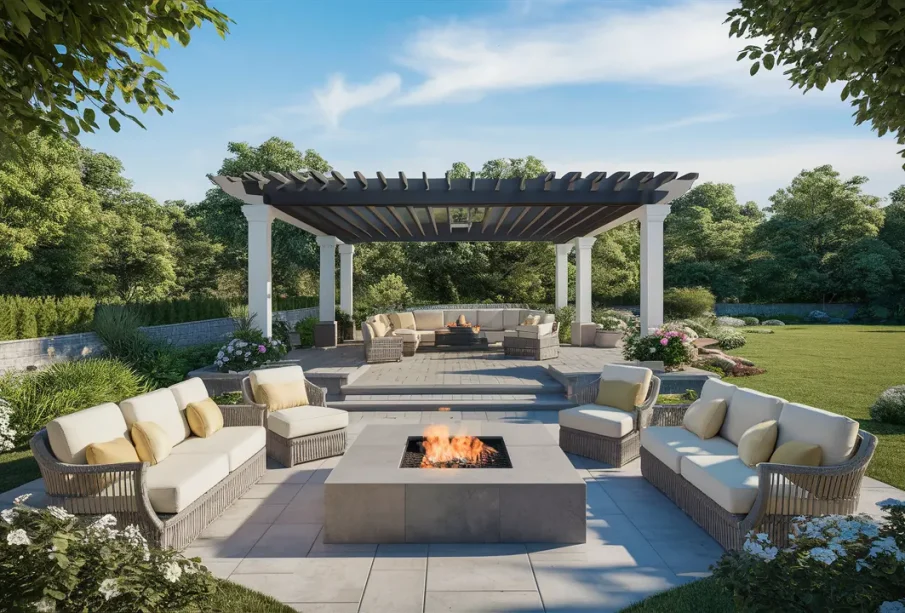
A well-designed yard should be more than visually appealing, it should also be practical. This means considering how people will move through the space and how it will be used day to day. Walkways, seating areas, and garden zones all need to be placed with intention. When these elements are balanced, the space becomes more enjoyable and easier to navigate.
Functionality also includes maintenance requirements. A design that looks beautiful but is difficult to care for may become frustrating over time. That is why many homeowners prefer layouts that combine beauty with simplicity. Thoughtful planning ensures that the space remains usable without becoming overwhelming to maintain.
Blending structure with natural elements
One of the most effective approaches to outdoor design is combining structured elements with natural growth. Stone paths, edging, and garden beds can provide definition, while plants soften the overall look. This balance creates a space that feels both organized and organic. It also allows different features of the yard to stand out without feeling disconnected.
Plant selection plays a major role in achieving this balance. Choosing the right mix of perennials, shrubs, and seasonal flowers helps maintain visual interest throughout the year. When carefully arranged, these elements create depth and movement in the landscape. This makes the space feel more dynamic and alive.
Common challenges homeowners face with yard maintenance
Many homeowners underestimate how quickly outdoor spaces can become difficult to manage. Weather changes, plant growth, and soil conditions can shift faster than expected. Without regular attention, even a well-designed yard can lose its structure. This often leads to frustration and inconsistent upkeep.
Another challenge is understanding what each part of the yard actually needs. Different plants require different levels of water, sunlight, and care. Misunderstanding these needs can lead to overwatering, underfeeding, or plant decline. This is where professional guidance can make a noticeable difference in long-term results.
Avoiding overcomplication in yard care
One common mistake is trying to do too much at once. Complex designs with too many plant varieties or features can become difficult to maintain. Simplicity often leads to better long-term outcomes because it is easier to manage and adjust. A balanced approach usually produces healthier and more sustainable results.
Professionals often recommend starting with a clear foundation and building gradually. This allows homeowners to understand what works before adding more complexity. It also reduces maintenance stress and helps prevent unnecessary expenses. Over time, this approach creates a more stable and enjoyable outdoor environment.
The value of expert support in outdoor transformation
Working with professionals can significantly improve the outcome of any outdoor project. Their experience allows them to identify potential issues early and design solutions that last. This reduces the likelihood of repeated repairs or redesigns in the future. It also helps ensure that the final result aligns with the homeowner’s vision.
In many cases, homeowners turn to professional help when they want a more polished and cohesive look. Skilled teams can bring structure, creativity, and technical knowledge together in a way that is difficult to achieve alone. This is especially true when dealing with larger properties or more detailed designs. Reliable guidance helps turn ideas into functional outdoor spaces.
How professional care improves long-term results
Long-term success in outdoor maintenance depends on consistency and knowledge. Professionals bring both of these elements into every stage of the process. From initial planning to ongoing care, their involvement helps maintain quality over time. This reduces the likelihood of decline and keeps the space looking its best.
Many homeowners who invest in expert support notice that their outdoor spaces become easier to manage overall. Plants thrive more consistently, layouts remain intact, and seasonal changes are easier to handle. This creates a more enjoyable experience and reduces the burden of constant upkeep. In the long run, it often leads to a healthier and more attractive property.
Bringing it all together in everyday living
Outdoor spaces are no longer separate from daily life, they are part of it. Whether used for relaxation, entertainment, or simple enjoyment, they contribute to overall quality of living. Thoughtful design and consistent care help ensure that these spaces remain functional and inviting. Over time, they become an extension of the home itself.
When homeowners invest in structured planning and ongoing maintenance, the results tend to last longer and require less correction. This is why many turn to trusted expertise in landscaping services to guide the process. With the right approach, outdoor spaces can evolve into something both beautiful and practical, supporting everyday life in meaningful ways.